
Protecting Your Smile Where Teeth and Gums Meet
When most people think about cavities, they picture decay on the chewing surfaces of their teeth. However, cavities can also develop near the gumline—a common dental issue that often goes unnoticed until it causes sensitivity, discomfort, or visible damage.
At the same time, gum recession can expose vulnerable tooth roots, increasing the risk of gumline cavities and other oral health concerns.
The good news? With proper care and early intervention, both gumline cavities and gum recession can often be prevented and effectively treated.
At More Smiles of Beverly, we help patients protect their teeth and gums through preventive care, restorative dentistry, and personalized treatment plans designed to support long-term oral health.
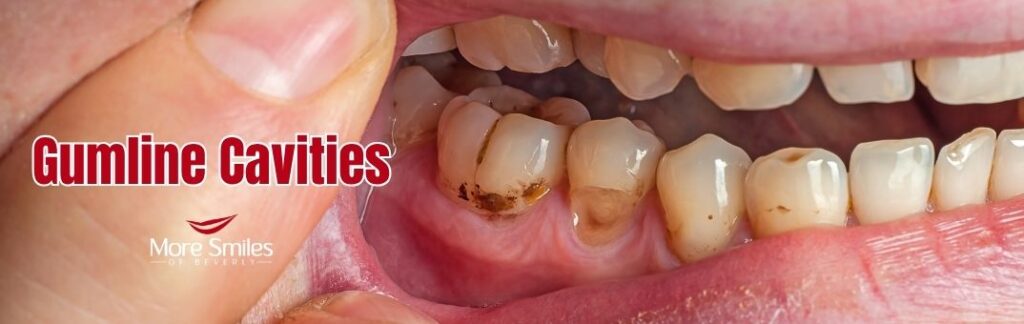
What Are Gumline Cavities?
A gumline cavity is a cavity that develops near the area where the tooth meets the gum tissue.
Unlike traditional cavities that form on the chewing surfaces of teeth, gumline cavities often occur on exposed root surfaces or along the edges of the gums.
These cavities can develop when plaque and bacteria accumulate in hard-to-clean areas, gradually eroding the tooth structure.
Common Symptoms of Gumline Cavities
- Tooth sensitivity to hot, cold, or sweet foods
- Discomfort when brushing near the gums
- Visible dark spots or discoloration
- Small notches or grooves near the gumline
- Pain when chewing
- Increased sensitivity around exposed tooth roots
What Causes Gum Recession?
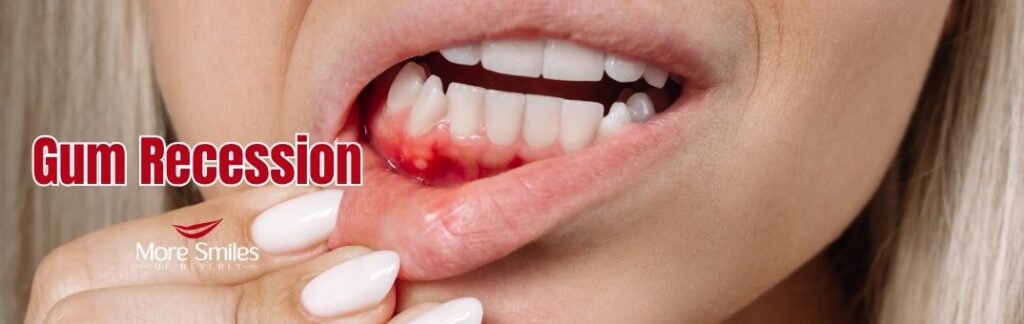
Gum recession occurs when gum tissue pulls away from the teeth, exposing more of the tooth and sometimes the root beneath.
As roots become exposed, they are more vulnerable to decay because they lack the protective enamel found on the crown of the tooth.
Common Causes of Gum Recession
- Aggressive Brushing: Brushing too hard or using a hard-bristled toothbrush can gradually wear away gum tissue.
- Gum Disease: Periodontal disease is one of the leading causes of gum recession. Infection and inflammation can damage the supporting tissues around teeth.
- Teeth Grinding and Clenching: Excessive pressure on teeth can contribute to gum recession over time.
- Poor Oral Hygiene: Plaque and tartar buildup increase the risk of gum inflammation and periodontal disease.
- Tobacco Use: Smoking and other tobacco products can impair gum health and increase the risk of recession.
- Genetics: Some individuals naturally have thinner gum tissue and may be more susceptible to recession.
Why Gum Recession Increases Cavity Risk
When gum tissue recedes, the root surface becomes exposed.
Unlike enamel, root surfaces are covered by cementum, a softer material that is more susceptible to decay.
This means exposed roots can develop cavities more quickly than other parts of the tooth.
Additional risks include:
- Increased tooth sensitivity
- Higher risk of root decay
- Greater plaque accumulation
- Changes in tooth appearance
- Increased risk of tooth mobility in severe cases
How to Prevent Gumline Cavities and Gum Recession
Preventive care remains the best defense against both conditions.
- Practice Gentle Brushing
- Use a soft-bristled toothbrush
- Brush using gentle circular motions
- Avoid scrubbing aggressively along the gumline
- Floss Daily: Flossing removes plaque and food debris from areas your toothbrush cannot reach.
- Use Fluoride Products: Fluoride helps strengthen tooth enamel and can help protect exposed root surfaces from decay.
- Schedule Regular Dental Checkups: Professional cleanings help remove plaque and tartar buildup while allowing early detection of gum recession and cavities.
- Address Teeth Grinding: If you clench or grind your teeth, a custom nightguard may help reduce pressure on your teeth and gums.
- Maintain a Healthy Lifestyle:
- Avoid tobacco products
- Stay hydrated
- Limit sugary foods and beverages
- Follow a balanced diet rich in vitamins and minerals
Treatment Options for Gumline Cavities
The appropriate treatment depends on the severity of the decay.
- Tooth-Colored Fillings: Small gumline cavities can often be treated with composite fillings that blend naturally with your smile. Benefits include:
- Natural appearance
- Preservation of healthy tooth structure
- Durable protection against further decay
- Dental Crowns: For larger areas of damage, a dental crown may be recommended to restore strength and function.
- Root Canal Therapy: If decay reaches the inner pulp of the tooth, root-canal treatment may be necessary to save the tooth.
Treatment Options for Gum Recession
Treatment varies depending on the cause and severity of the recession.
- Deep Cleaning (Scaling and Root Planing): If gum disease is present, a deep cleaning can remove bacteria and help reduce inflammation.
- Gum Grafting: For moderate to severe recession, gum grafting may help restore lost gum tissue and protect exposed roots.
- Improved Home Care: Sometimes adjusting brushing techniques and improving oral hygiene habits can prevent further recession.
- Nightguards for Grinding: Protective appliances can reduce excessive pressure caused by clenching and grinding.
When Should You See a Dentist?
Schedule an evaluation if you notice:
- Teeth appearing longer than before
- Increased sensitivity
- Pain near the gumline
- Visible root exposure
- Bleeding or swollen gums
- Dark spots near the gums
- Persistent discomfort while brushing
Early treatment often prevents more complex and costly dental problems later.

Why Choose More Smiles of Beverly?
At More Smiles of Beverly, we believe healthy gums are the foundation of a healthy smile.
Our team provides comprehensive care that includes:
- Preventive dental cleanings
- Periodontal evaluations
- Gum disease treatment
- Tooth-colored fillings
- Restorative dentistry
- Personalized oral hygiene guidance
Whether you’re experiencing sensitivity, gum recession, or concerns about gumline cavities, we can help identify the cause and recommend the most effective treatment solution.
Protect Your Teeth and Gums for the Long Term
Healthy gums play a vital role in protecting your teeth and supporting your overall oral health. If you’re experiencing gum sensitivity, recession, or signs of gumline decay, early intervention can make all the difference.
Contact More Smiles of Beverly today to schedule a comprehensive dental evaluation and learn how our preventive and restorative treatments can help keep your smile healthy for years to come.
Frequently Asked Questions
- Are gumline cavities serious?
Yes. If left untreated, they can progress deeper into the tooth and eventually lead to infection or tooth loss.
- Can gum recession grow back on its own?
Unfortunately, gum tissue does not naturally regenerate once it has receded. However, treatment can help prevent further recession and, in some cases, restore lost tissue.
- Are exposed tooth roots more likely to get cavities?
Yes. Root surfaces are softer than enamel and more vulnerable to decay.
- Can sensitive teeth indicate gum recession?
Absolutely. Exposed roots often lead to increased sensitivity to hot, cold, and sweet foods.
- How often should I have my gums evaluated?
Most patients benefit from professional dental examinations and cleanings every six months, though some may require more frequent periodontal maintenance.