Articles

About Pediatric Dentistry

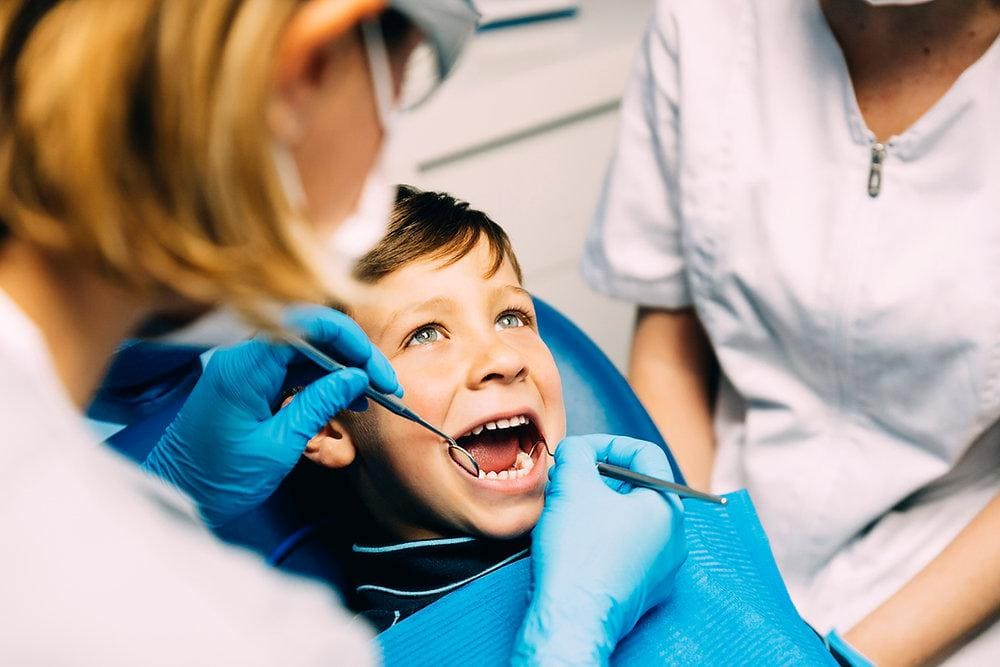
Pediatric dentistry is the study, practice, teaching, and research of oral care treatments and preventions in children. It is recommended that children visit their pediatric dentist twice a year. Parents should schedule the first visit within six months of their child’s first baby tooth coming in,

Adult Orthodontic Treatment

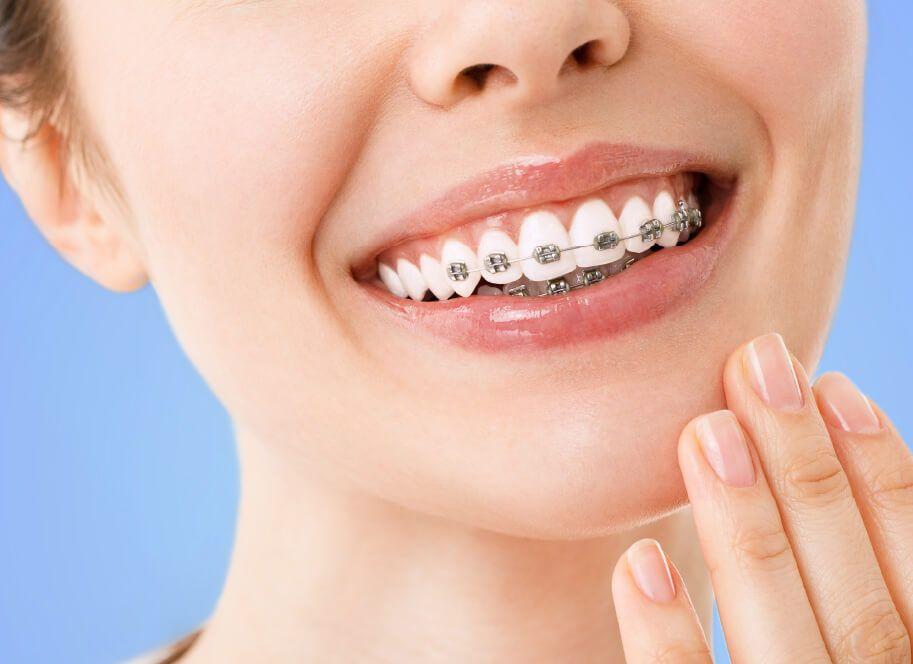
It’s never too late to achieve your perfect smile, and now more than ever, adults are seeking orthodontic treatment. In fact, approximately 25% of orthodontic patients are adults. Adult orthodontic treatment differs from child and adolescent treatment in a few ways. Since the bone development in adults

Aging and Oral Health

It’s important to take good care of your teeth as you age. Elderly patients often need more frequent visits to stay healthy, as they are at a higher risk of oral complications, including extraction, tooth decay, and periodontal (gum) disease. Electric Toothbrush One of the best things you can do for

Air Abrasion

Air abrasion is a drill-less technique that involves an instrument used to blast away small areas of early onset tooth decay, as well as help dentists perform other dental procedures. It is recommended for children or other patients who are fearful of traditional drilling. Air abrasion can only be used

Anesthesia Wand

The single-tooth anesthesia wand provides increased comfort and decreased anxiety when it comes to dental procedures requiring anesthetization. The wand looks like a small pen with an extremely small needle at the tip. The anesthesia wand works by numbing the individual tooth your dentist needs to work

Antibiotic Premedication

Our bodies are home to bacteria which are common in our mouths, but which can be dangerous elsewhere. For some people, especially those who have chronic medical conditions, specific cardiac conditions, or whose immune systems are compromised, bacteria that spreads throughout the bloodstream and into

Apicoectomy

Root canal therapy is often enough to treat infection in the inner tooth successfully. If pain or inflammation return, however, these symptoms can indicate a new or recurring infection. In such cases, an apicoectomy is a common surgical procedure used to save the tooth and restore the health of the surrounding

Bad Breath

What is Halitosis? Halitosis, also known as chronic bad breath, is often the result of improper care of your oral health. When you eat, food particles gather throughout your mouth, sticking to the surfaces of your tongue, in between your teeth, and on your gum tissue. Your oral bacteria break down these

Bite Problems

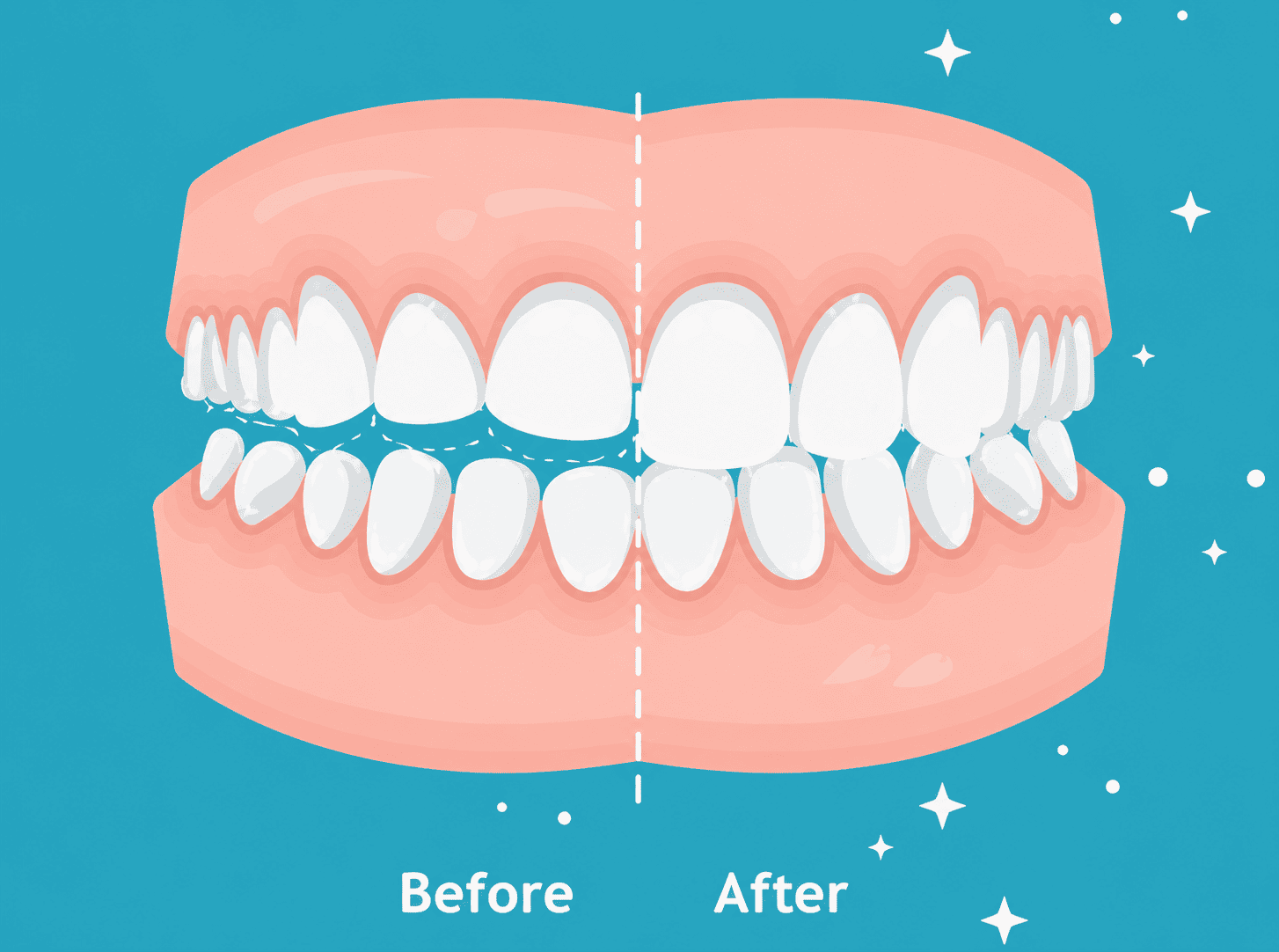
Orthodontic treatment can correct jaw and teeth misalignment, and give you an amazing smile in the process. It works by harnessing our body’s natural ability to remodel its own tissue. With application of light, constant force, orthodontic appliances gently reshape bone and move teeth into better positions.

Blood Pressure Medications and Your Oral Health

If you experience high blood pressure, it’s vital that you discuss possible medications with your health care professionals, including your dentist. Some blood pressure medications cause the usual variety of side effects, such as drowsiness, upset stomach, or minor aches. But for some patients, particular

Blood Thinners and Oral Surgery

Blood thinners are a type of medicine that prevents your blood from clotting inside a blood vessel, which can lead to a heart attack or stroke. They can also keep blood clots from forming or getting larger. They are typically used to treat certain types of heart disease, heart defects, or other medical

Bonding

Dental bonding is a conservative cosmetic treatment that improves the appearance of chipped, discolored, or misshapen teeth using composite resin to repair and restore the tooth surface. Bonding can transform the appearance of a smile. The procedure is commonly used for: Repairing chips and minor cracks Covering

Bone Grafting

The alveolar ridges are thickened ridges of bone on the upper and lower jaws. Teeth fit into sockets in these ridges, where they are held securely in place by periodontal ligaments. If the alveolar bone loses volume and density, that secure attachment is compromised. Bone grafting is a common surgical

Bridges

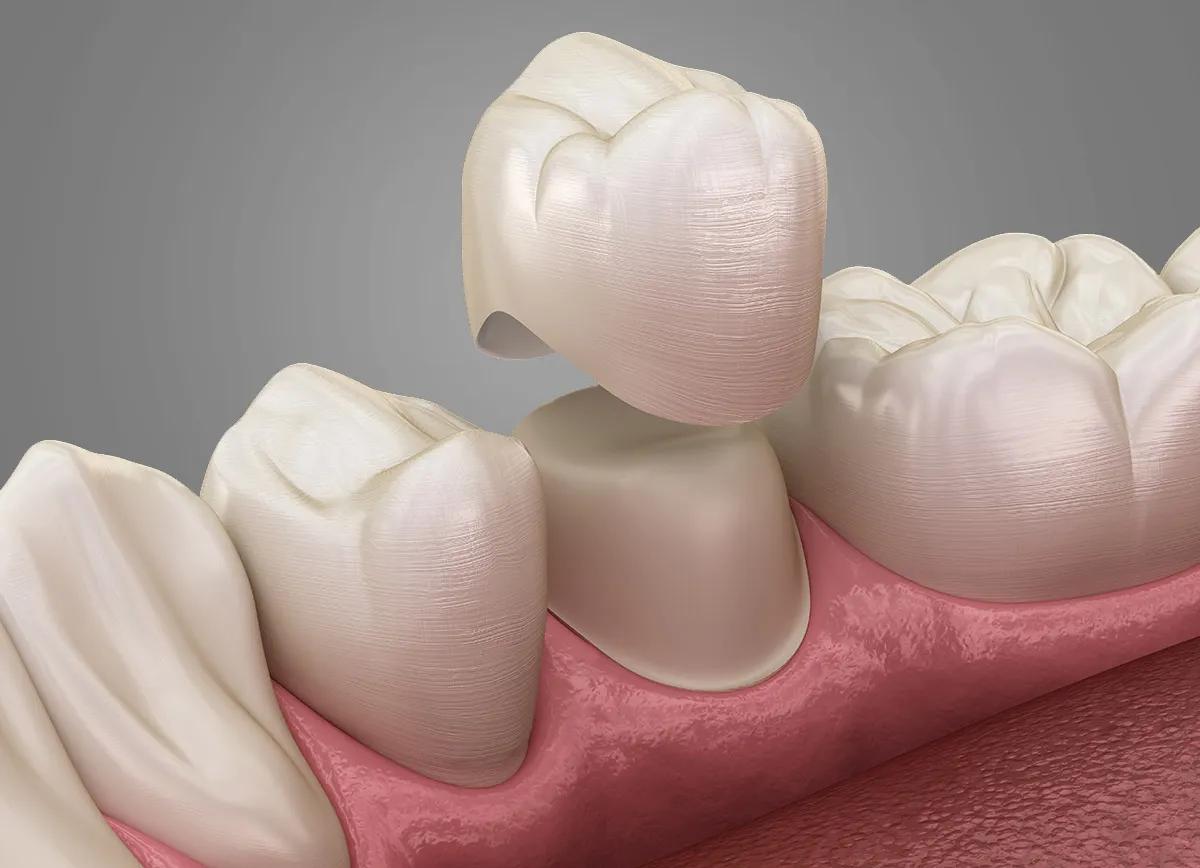
When you lose a tooth, it affects not just the appearance but also the function of your smile. It can be difficult to eat or speak naturally. Extra stress is put on your remaining teeth, you’re at greater risk for developing gum disease, your remaining teeth can shift out of position, causing bite

Broken Teeth

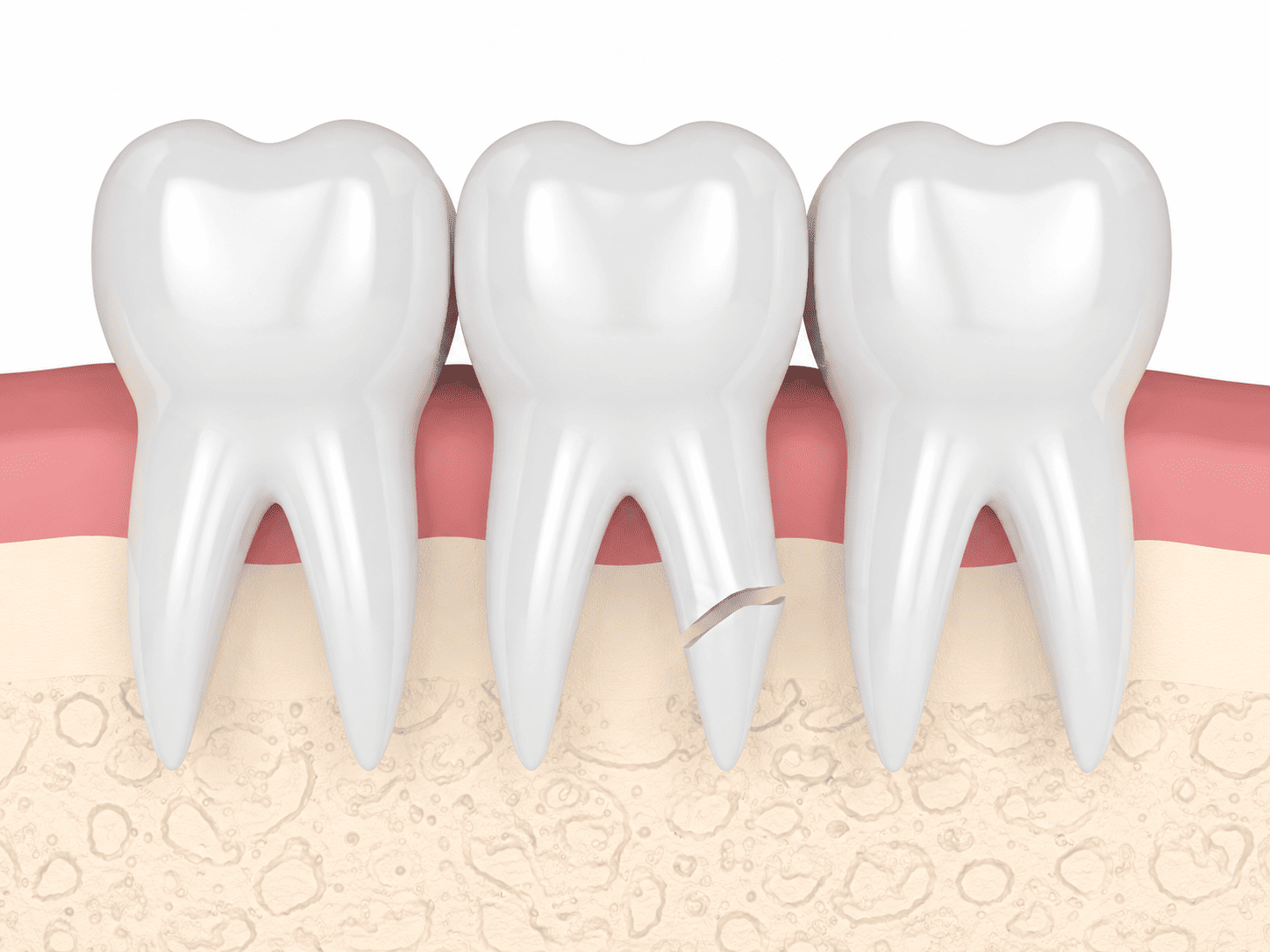
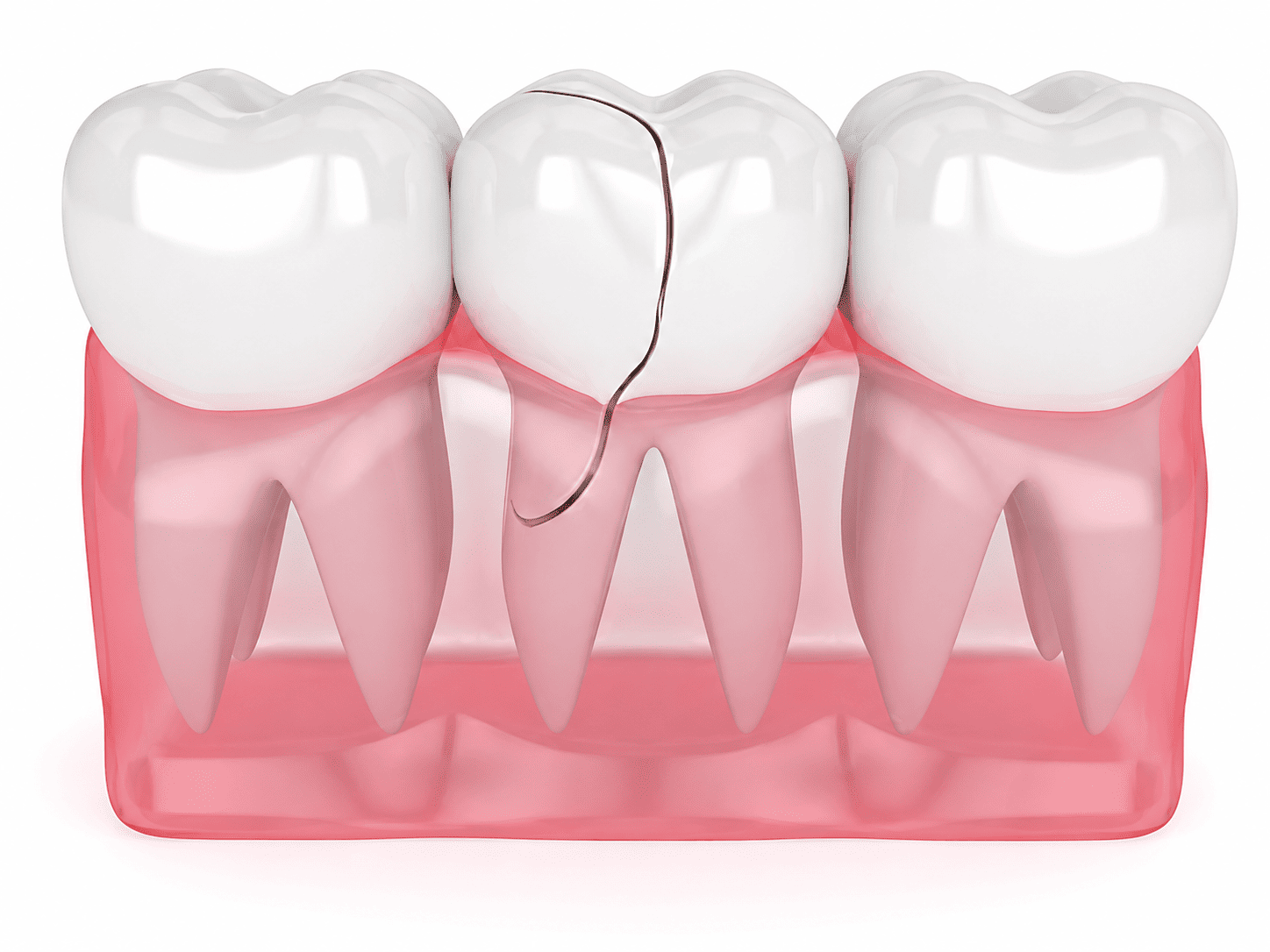
Even though enamel is the hardest substance in the body, teeth aren’t indestructible, and chipped, cracked, and broken teeth are among the most common dental injuries. Tooth fractures might result from accidents, trauma, tooth grinding, chewing hard objects and foods, or extensive decay. Tooth injuries

Brushing and Flossing with Braces

It’s always important to maintain great oral hygiene, but it’s especially important with braces, as food and plaque have more places to hide. You should brush and floss at least two times per day for at least two minutes each time. Make sure to cover all surfaces, including the front, back, side,

Bruxism

Bruxism is the medical term for excessive tooth grinding and/or jaw clenching. Because our jaw muscles are capable of producing hundreds of pounds of force, continuous grinding and clenching can cause significant damage to teeth and jaws without dental intervention. Unconscious grinding or clenching

Clear Aligners for Adults

Clear aligners are a popular alternative to metal braces, and are a great, discrete way to correct minor misalignment of the teeth. Just like traditional braces, clear aligners put a small amount of pressure on the teeth to move them into place. Unlike traditional braces, they are made of a clear and