Articles

Cosmetic Gum Surgery

Cosmetic gum surgery, or gum contouring, can solve a variety of cosmetic issues relating to the proportions of your teeth and your gums. For example, too much gum tissue may make your teeth appear short, while too little gum tissue will make your teeth appear too long. You may also have a combination

Crowns

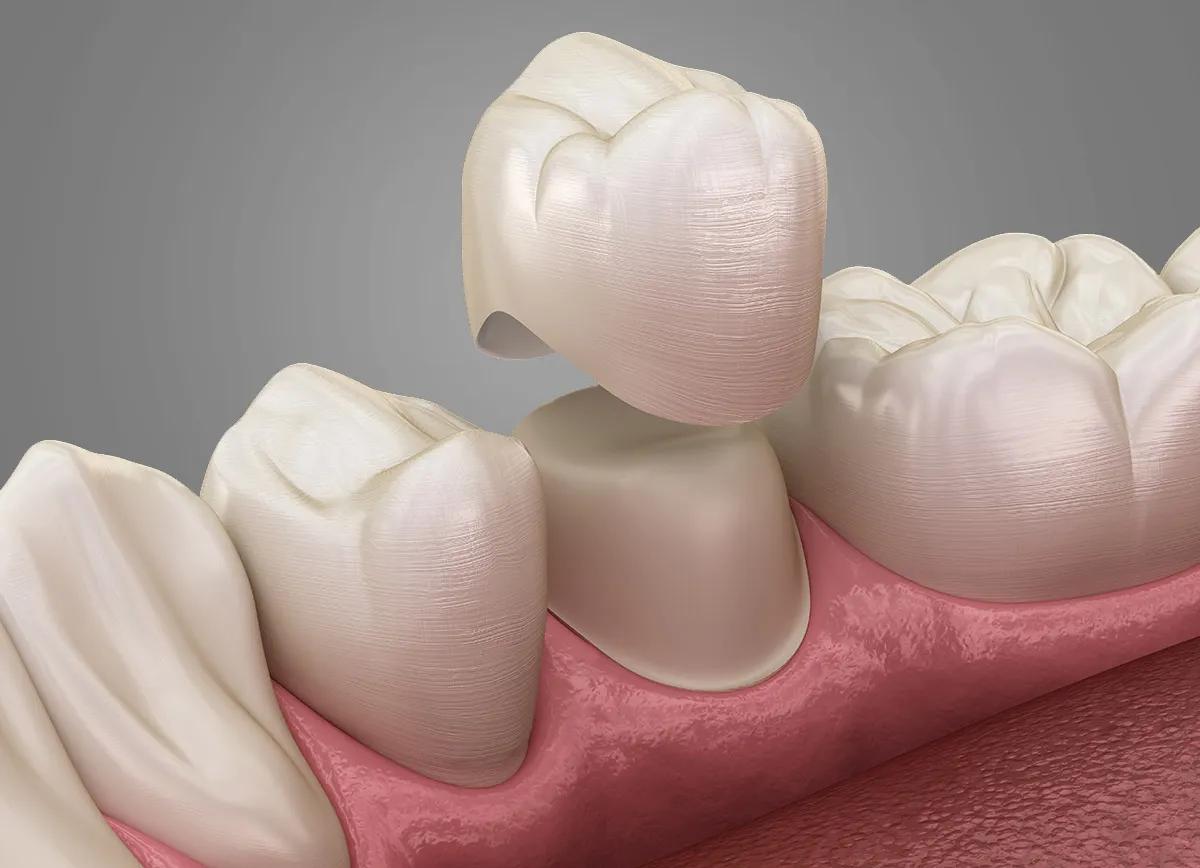
Decayed, broken, and missing teeth affect your oral health and your self-confidence. When a tooth has suffered structural or cosmetic damage, a dental crown can restore a tooth’s function and appearance. A crown is a custom-made “cap” that covers the entire visible surface of a tooth. Your dentist

Dental Exams and Professional Cleanings

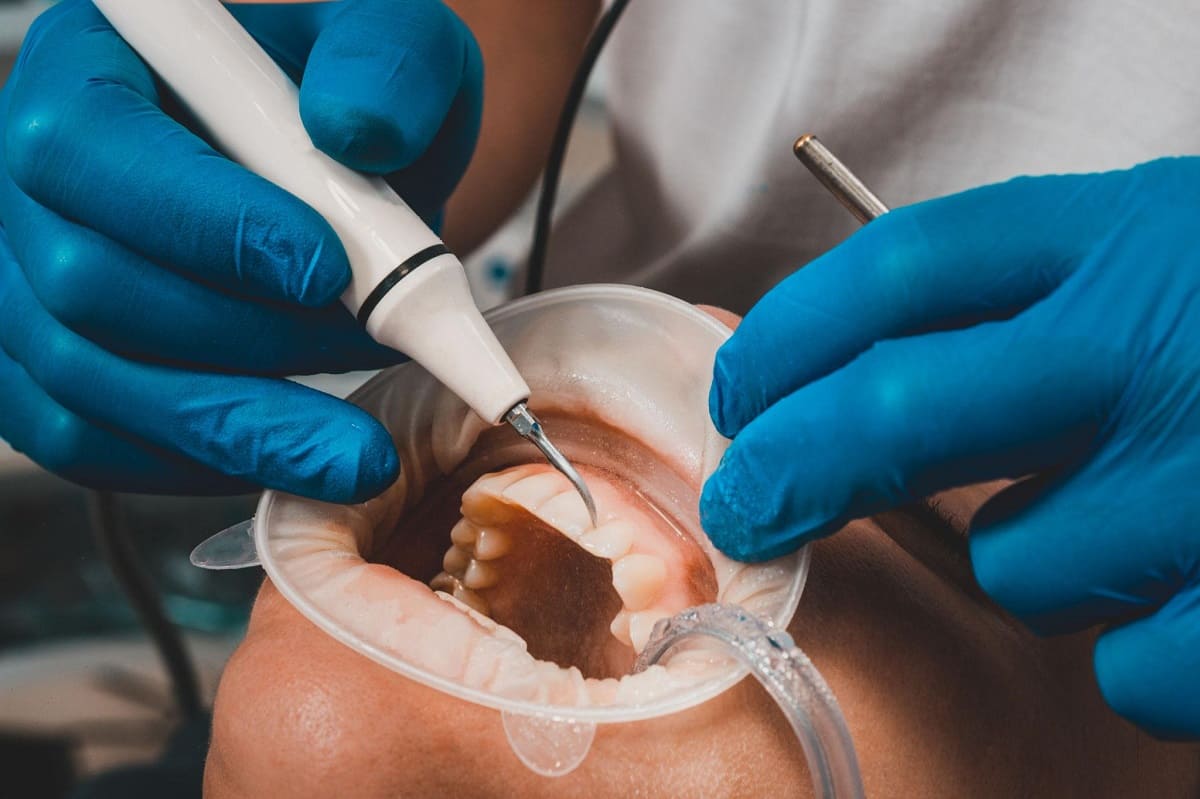
Brushing and flossing at home to keep up your oral health is great, but it’s also important to visit the dentist for checkups and professional cleanings at least twice a year. These checkups allow your dentist to identify any problems in your mouth that you cannot see just by looking in the mirror,

Dental Implant FAQs

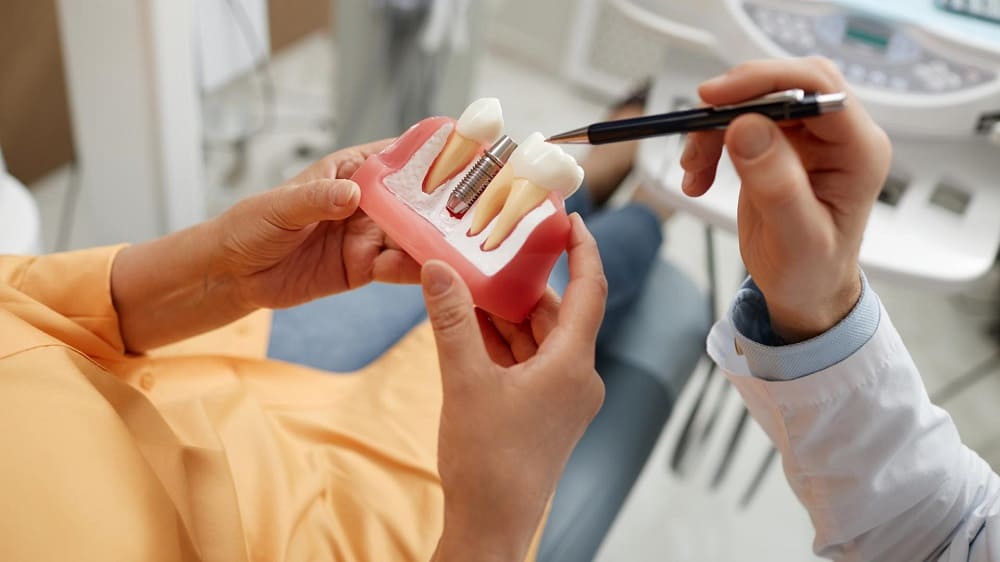
What are dental implants? A dental implant is a small post that serves as a replacement for a tooth root. An abutment, also known as a connector, is built and placed on the top of the implant, connecting to the replacement tooth. The replacement tooth is a crown that is created to uniquely match your

Dental Implants

If you have recently dealt with an injury or disease that affected your oral health, there are options available to recover the smile you once had. You may even be able to achieve a better smile than the one you had. Dental implants make it possible to renew your smile if you have lost some teeth. There

Dentures

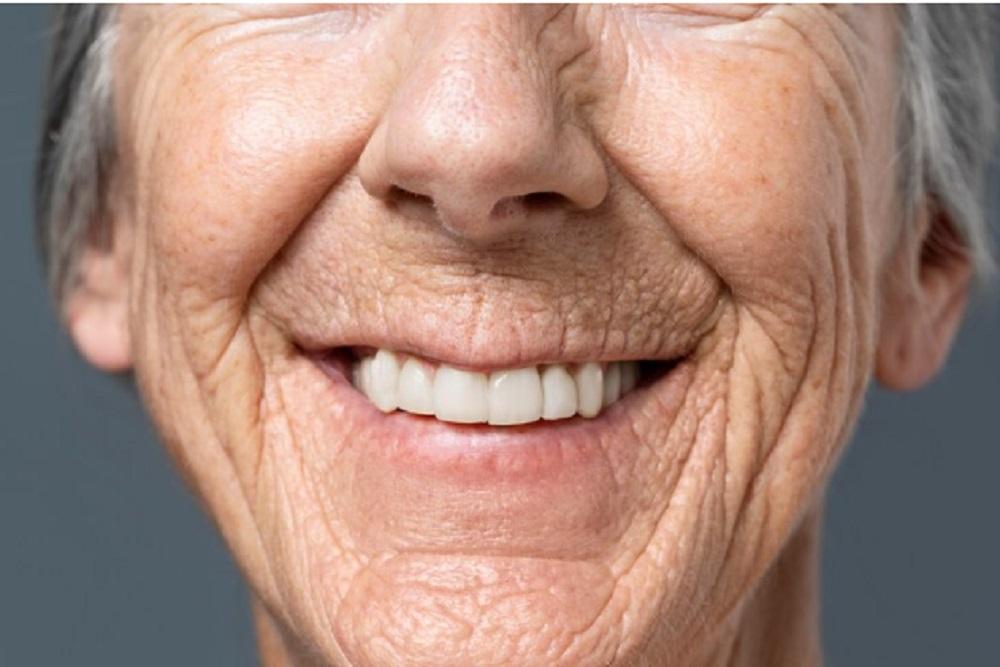
Missing teeth impact not only appearance, but oral health as well. If you’ve lost some or all of your teeth because of trauma, periodontal infection, or decay, dentures are one of the options that can offer you a healthier, more attractive smile. Full or partial dentures: Make eating and chewing easier Facilitate

Diabetes and Oral Health

Maintaining excellent oral hygiene is important for diabetics, as they have an increased risk of developing oral infection and periodontal disease. Diabetes is a health condition that makes it difficult to manage blood sugar levels, and as a result, can lead to high levels of sugar in the blood and saliva.

Digital X-Rays

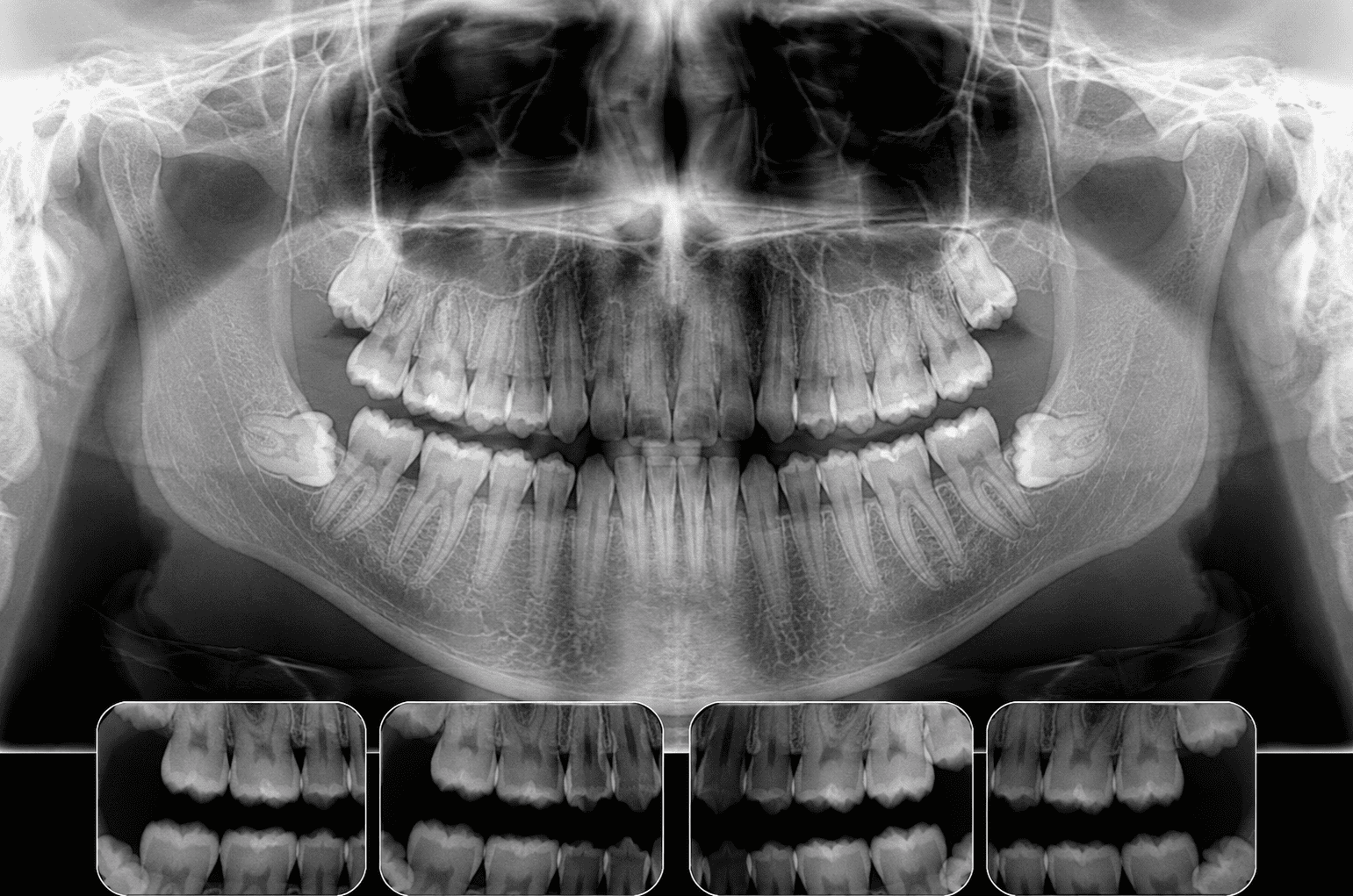
X-rays are one of the most important parts of a dental exam, and can help medical professionals detect problems long before they are visible to the naked eye, including early tooth decay, gum disease, abscesses, and abnormal growths. Benefits of Digital X-rays Easy to obtain Digital X-rays are obtained

Dry Mouth

Dry mouth, or xerostomia, occurs when the salivary glands can’t produce enough saliva to maintain a healthy oral environment. Symptoms of Dry Mouth Saliva helps us swallow, speak, taste, and digest. If you have a dry mouth, you can experience symptoms such as: A dry mouth and tongue A tingling or

Early Orthodontic Treatment

Early orthodontic treatment, also known as interceptive orthodontic treatment, is used to prevent future orthodontic issues. Between the ages of seven and 14, the teeth and jaw are still developing, making them more malleable for effective interceptive orthodontic treatment. Sometimes patients as young

Eating Disorders and Oral Health

Eating disorders, such as anorexia nervosa and bulimia, can have devastating effects on your health, including your teeth. Anorexia is marked by an extreme restriction on how much is eaten, while bulimia is associated with binging and purging, or vomiting after eating. The effects on teeth and oral hygiene

Extractions

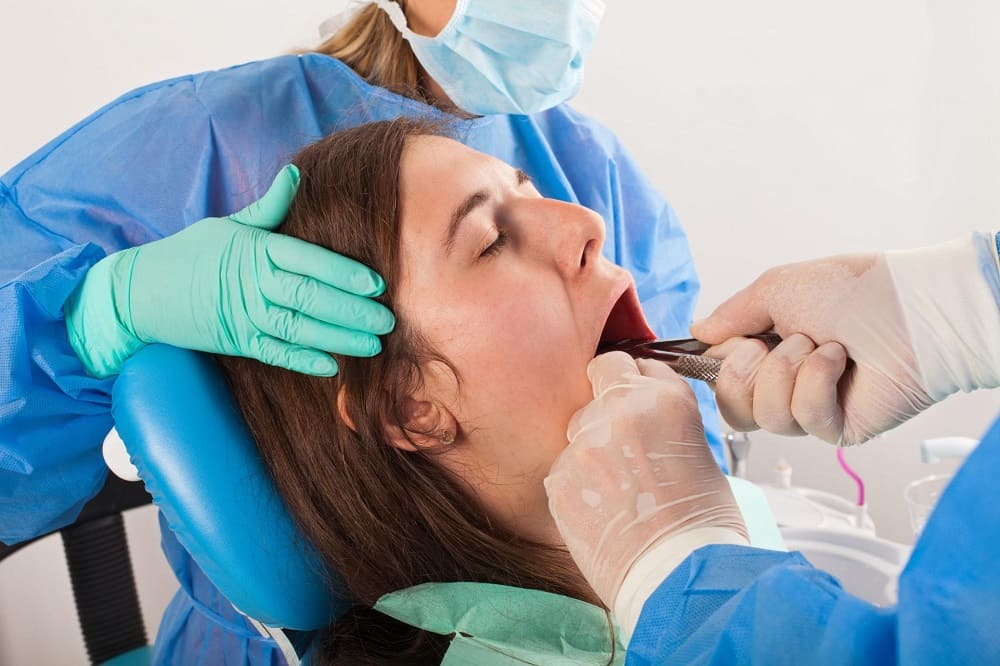
Dentists prefer to preserve your natural teeth as much as possible, but sometimes that just isn’t an option. There are two ways a tooth can be removed, depending on how severe the damage is to the tooth: Simple extraction: Local anesthesia is used, which is a numbing agent either applied or injected

Facial Trauma and Reconstructive Surgery

When accidents happen, our oral and maxillofacial surgeons are here to help. Facial trauma refers to any unexpected force to the face that results in any injury to the teeth, bones, or soft-tissue of the face. These injuries can affect vital functions, like breathing through the nose or blinking, and

Fillings

The bacteria in plaque produce acids that erode tooth enamel, eventually creating a hole, or cavity, in the tooth surface. Left untreated, this decay can spread to the interior of the tooth, and might lead to the need for a crown, a root canal, or even extraction. When caught early, your dentist can

Fluoride Treatments

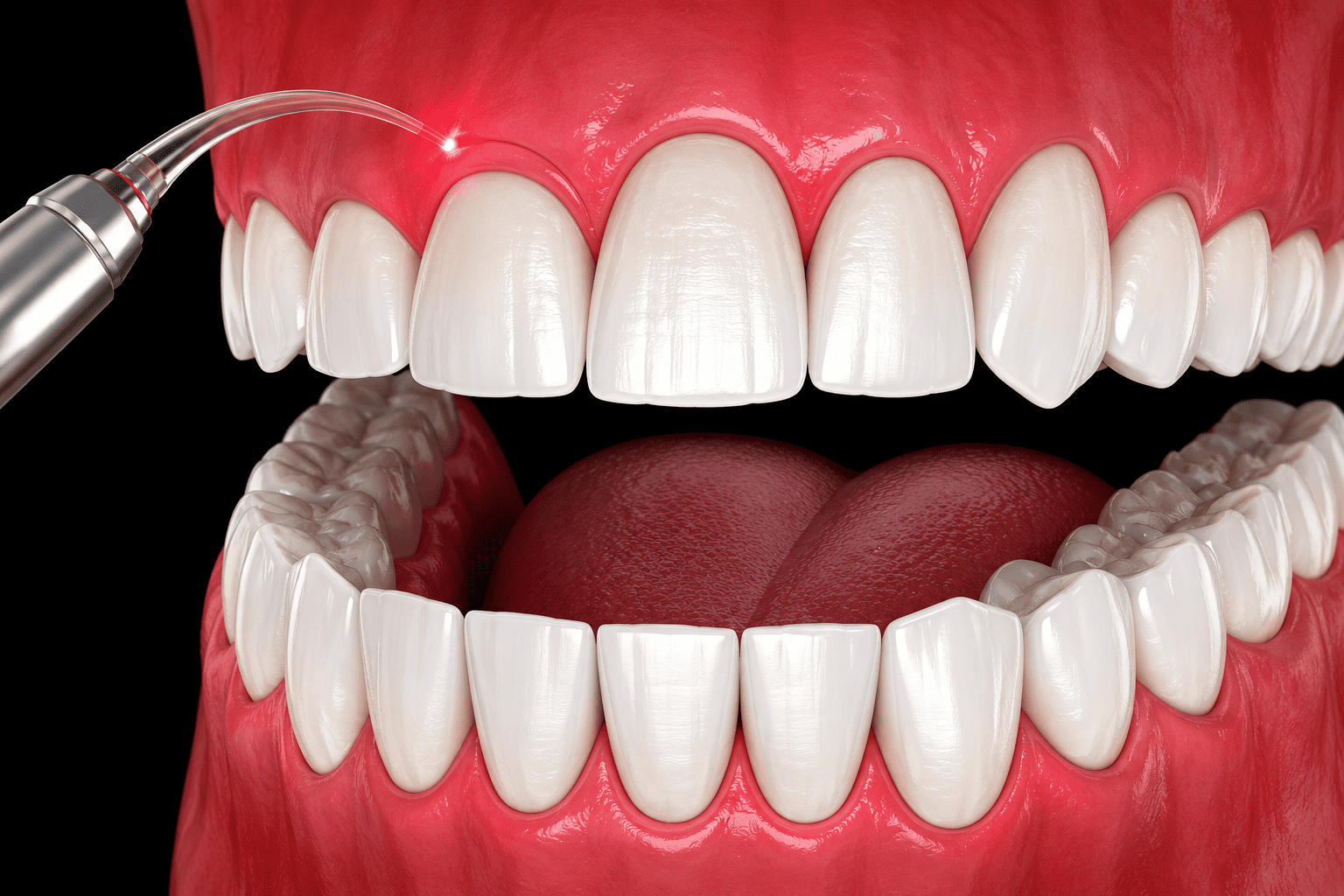
Fluoride is a naturally occurring mineral that strengthens tooth enamel and helps prevent tooth decay. We can get these benefits from fluoridated drinking water and by using over-the-counter fluoride toothpastes and rinses. For superior protection against cavities, your dentist might recommend a professional

Geographic Tongue

Geographic tongue, also called benign migratory glossitis, is an inflammatory condition in which red patches appear on your tongue resembling continents on a globe. The patches can appear on the top and sides of your tongue and sometimes other parts of your mouth. The shape and location of the patches

Gum Emergencies

The tissues of the gums, tongue, or cheek lining are vulnerable to accidents like sports injuries, bites, or scalding liquids. If you have an injury to the soft tissue of your mouth, you should: Rinse out your mouth with salt water Remove any visible debris Contain bleeding by pressing a clean, damp

Gum Grafting

If your dentist has detected that your gums have receded substantially, you may be referred to a periodontist for a gum graft. Gum recession occurs when the tissue surrounding each tooth pulls away, exposing more of the tooth or the tooth root. This exposure can cause significant damage to the supporting