Articles

How to Brush and Floss

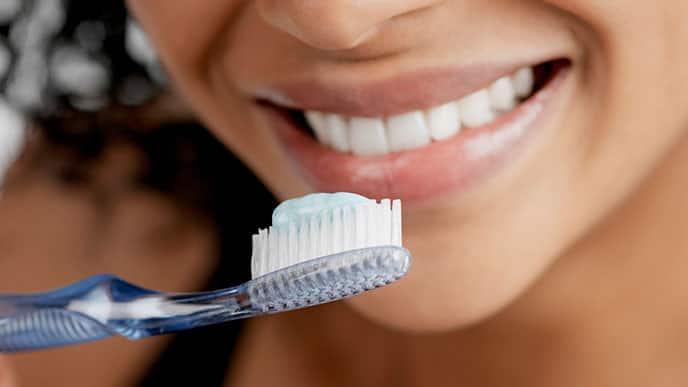
It’s no secret that the best way to prevent oral decay and disease is by maintaining a strict oral hygiene routine every day. Brushing and flossing go hand in hand; you shouldn’t do one without the other. Brushing your teeth is an excellent way to remove food debris and flossing allows you to get

How to Prevent Cavities

Cavities are small in size but can cause big problems. In the form of little holes in your teeth, they develop when acid attacks your tooth enamel, the essential protective covering for your teeth. The acid may come either from your diet or certain oral bacteria that flourish when poor oral hygiene is

Implant Care and Maintenance

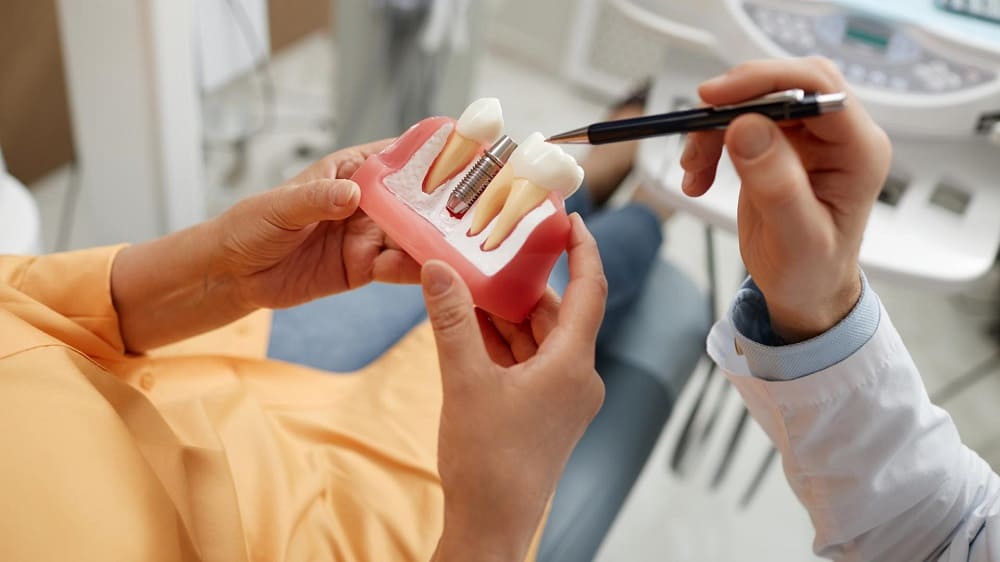
An implant can lose attachment to the bone, even after it has successfully fused to it. Here are two ways your implant could lose attachment to the bone, and what you can do keep your implants intact: Poor oral hygiene It’s especially important to brush and floss, and schedule regular dental cleanings

Implant Dentures

If you are missing an entire arch of teeth due to injury or disease, whether it’s your lower or upper arch, it is possible to replace that arch with implant dentures. Implant-supported dentures are dentures fixed to the gums by mini implants. For patients with an uncomfortable or loose-fitting denture,

Inlays and Onlays

Inlays and onlays are indirect restorations used to repair molars and premolars damaged by decay or trauma. Inlays and onlays fit more securely and last longer than fillings, strengthen compromised teeth, and preserve more natural tooth structure than crowns. An inlay is used to restore the center of

Interdental Cleaning Devices

Twice a year when you visit your dentist for a checkup and professional cleaning, you are probably given instructions on proper oral hygiene. This will include brushing and flossing your teeth at least twice a day, using a toothpaste containing fluoride, and using a soft bristled toothbrush. Toothbrushes

Intraoral Camera

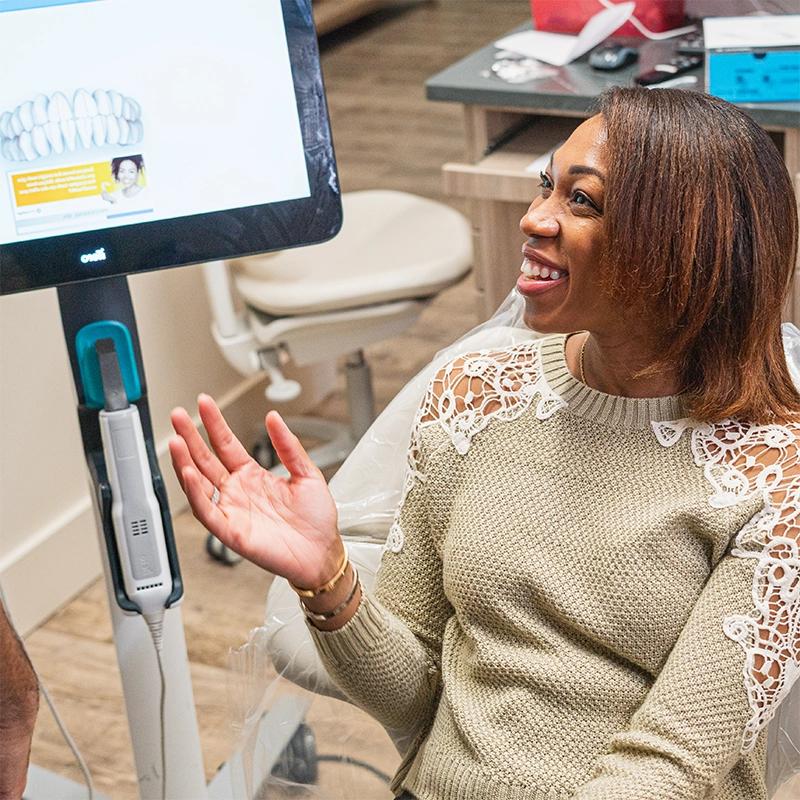
Slightly bigger than a pen, an intraoral camera is an innovative tool that can take up-close pictures of teeth, gums, and other hard-to-reach places in the mouth. Intraoral cameras can help dentists detect dental issues like tooth decay, periodontal disease, and oral cancers. Benefits of using an intraoral

Laser Decay Diagnostics

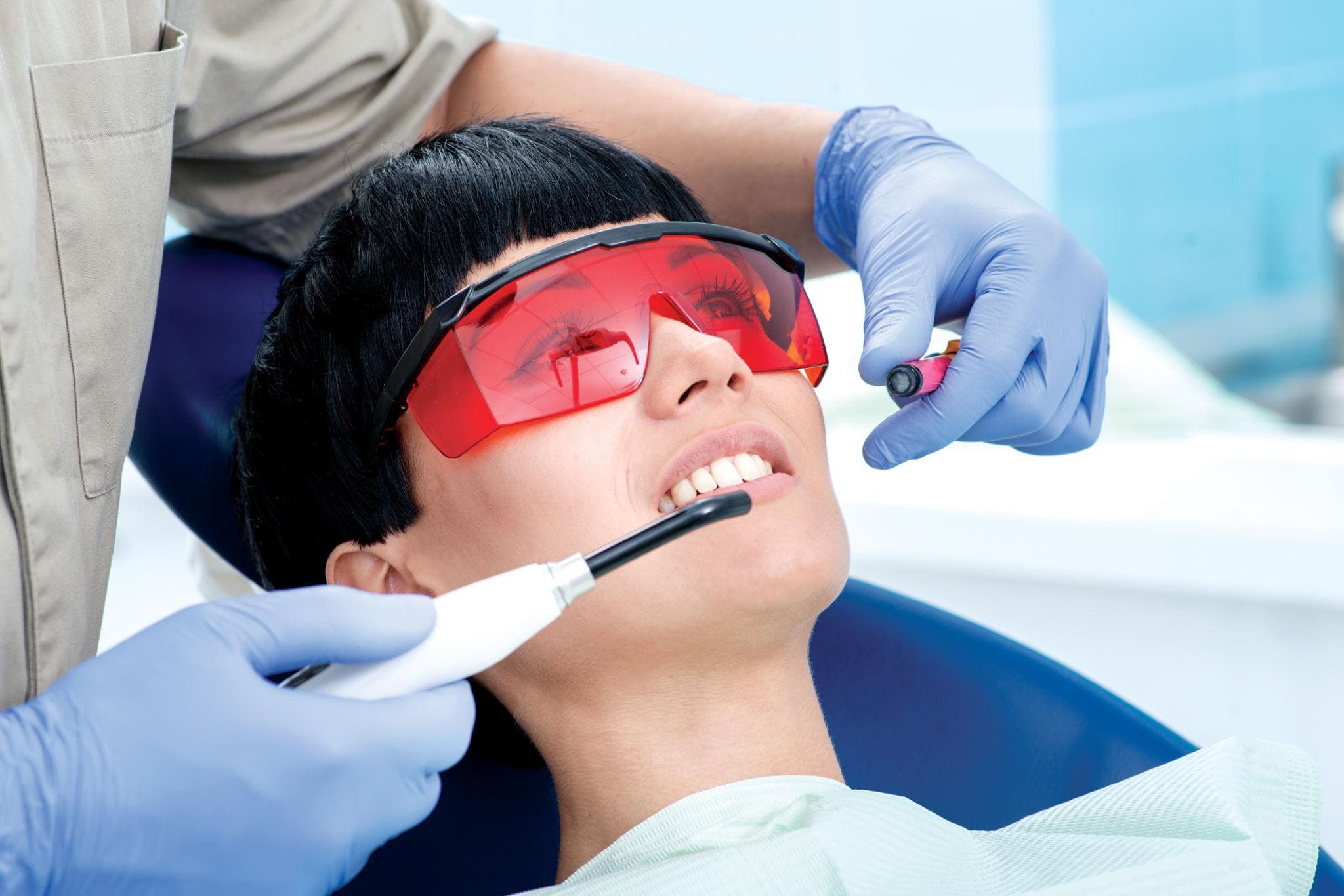
Using lasers, dentists can detect tooth decay that is not yet visible and would otherwise be undiagnosed using traditional methods. Laser cavity detection is based on the fact that healthy tooth structure reflects light, or “fluoresces,” differently than does decayed tooth structure. Teeth with decay

Laser Dentistry

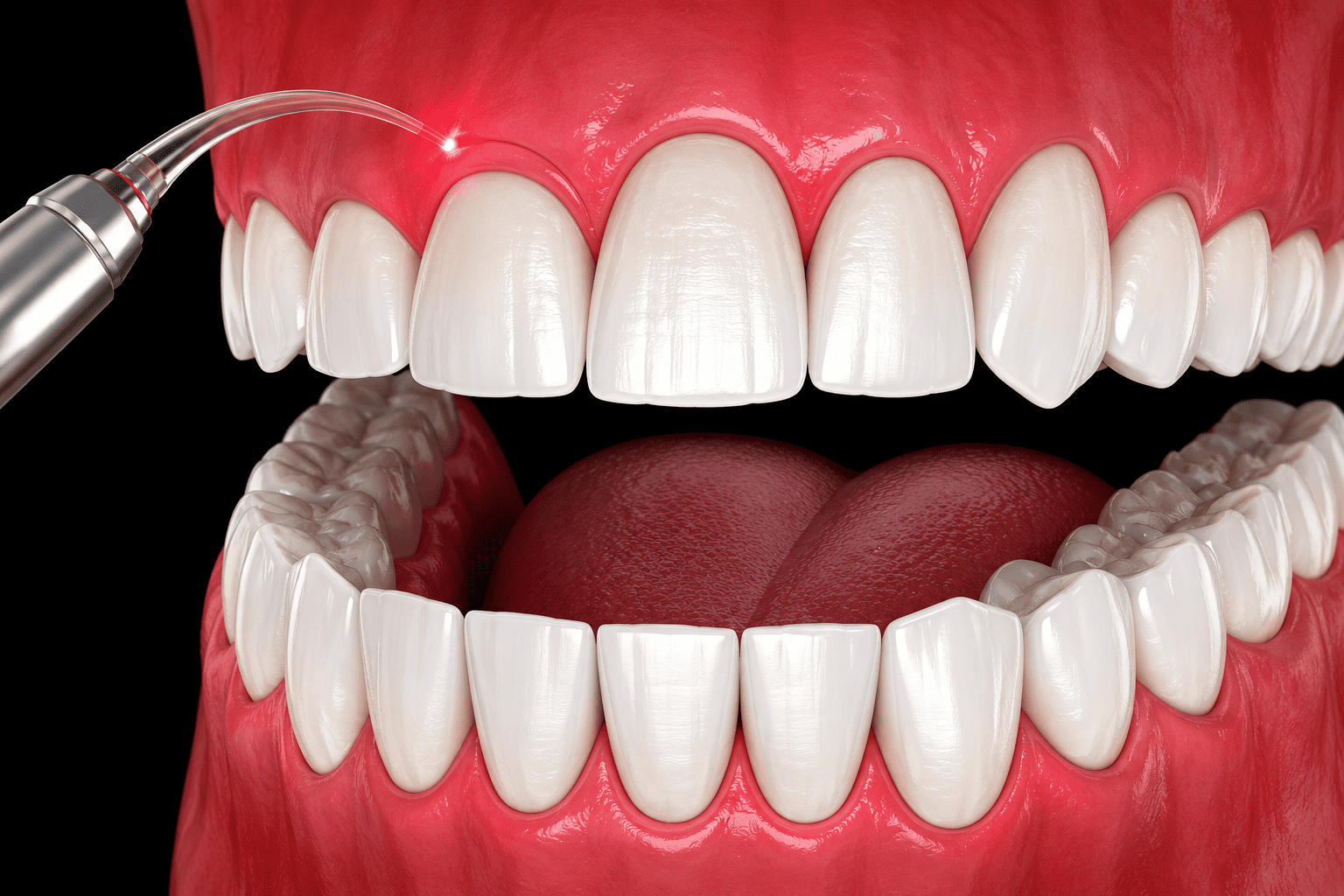
Lasers direct a controlled force of energy that can remove or alter bone and tissue. By applying varying wavelengths of energy, dental lasers are used to detect and treat a myriad of oral health issues, including detecting oral cancer and treating small cavities. There are two different types of dental

Missing Teeth

Tooth loss can be caused by gum disease, deep decay, and trauma. Certain congenital genetic conditions can result in teeth which never develop. Some medical conditions can contribute to tooth loss. But no matter what the cause, missing teeth should never be ignored. A missing tooth is not just a cosmetic

Mouthguards

While you’re living your active life, be sure to protect your smile. A mouthguard is essential safety gear whenever you participate in any sport or activity that could lead to dental trauma. Oral and dental injuries are very common for athletes, and often these injuries can be prevented or reduced

Nitrous Oxide

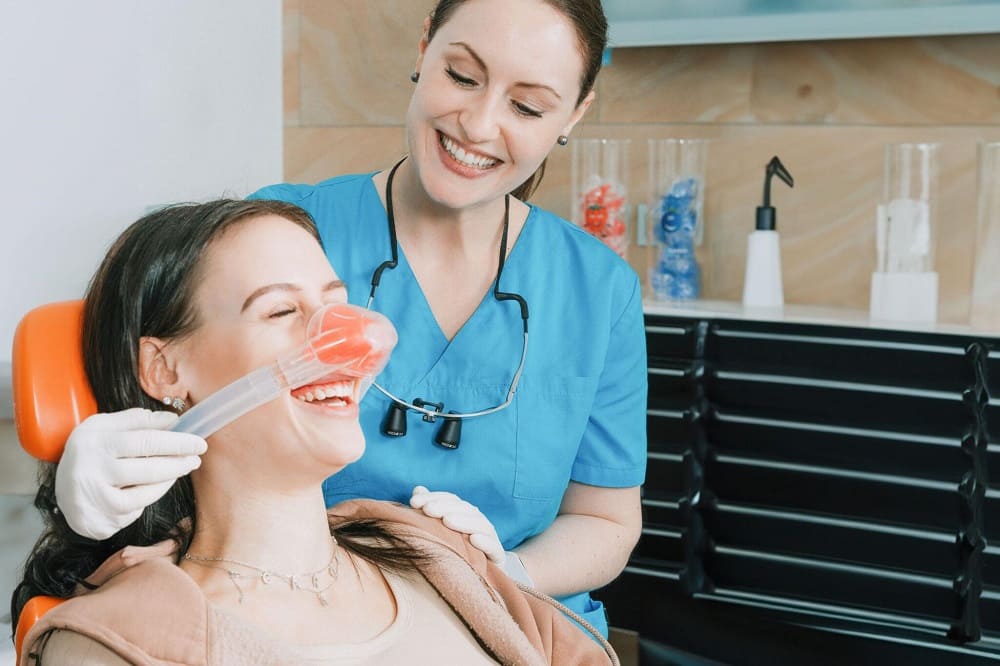
Nitrous oxide, commonly referred to as “laughing gas,” has been used in dental procedures since the 19th century. Modern nitrous oxide sedation is a safe, popular, and effective option for patients who experience mild to moderate dental anxiety. Nitrous oxide provides the lightest form of dental

Non-Surgical Periodontal Procedures

Periodontal disease is an infection of your gum tissue, usually caused by poor oral hygiene habits. If brushing and flossing is not done at least twice a day, and you’re not visiting your dentist for checkups and professional cleanings twice a year, plaque will build up on the teeth and eventually

Nutrition and Oral Health

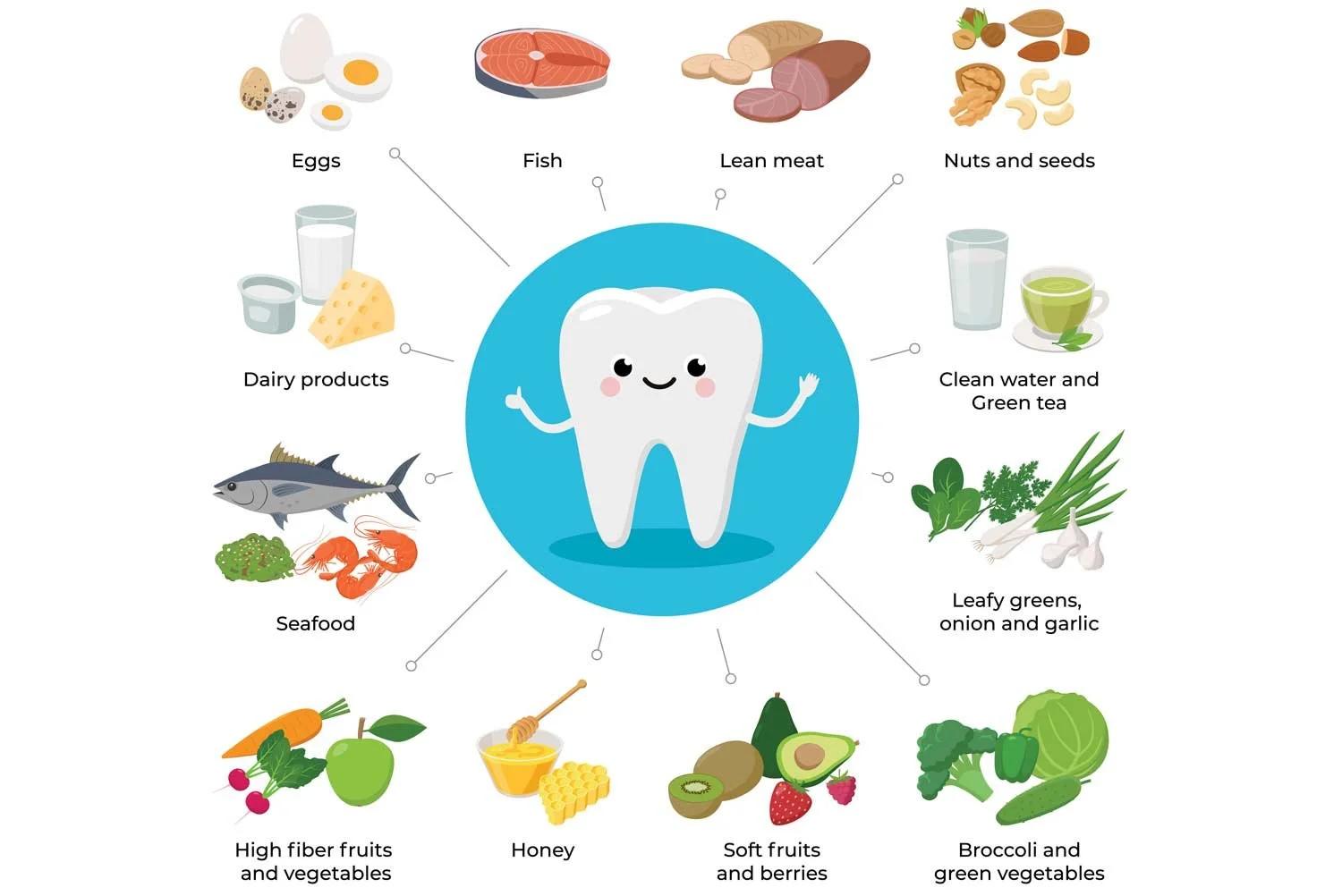
Nutrition goes hand in hand with oral health. It can affect the speed at which oral diseases may progress. Such diseases include caries, periodontal disease, erosion, cancer, ulcers, and dry mouth. For some people, good nutrition may not be a possibility due to age, specific medical conditions, or socioeconomic

Oral Cancer Screenings

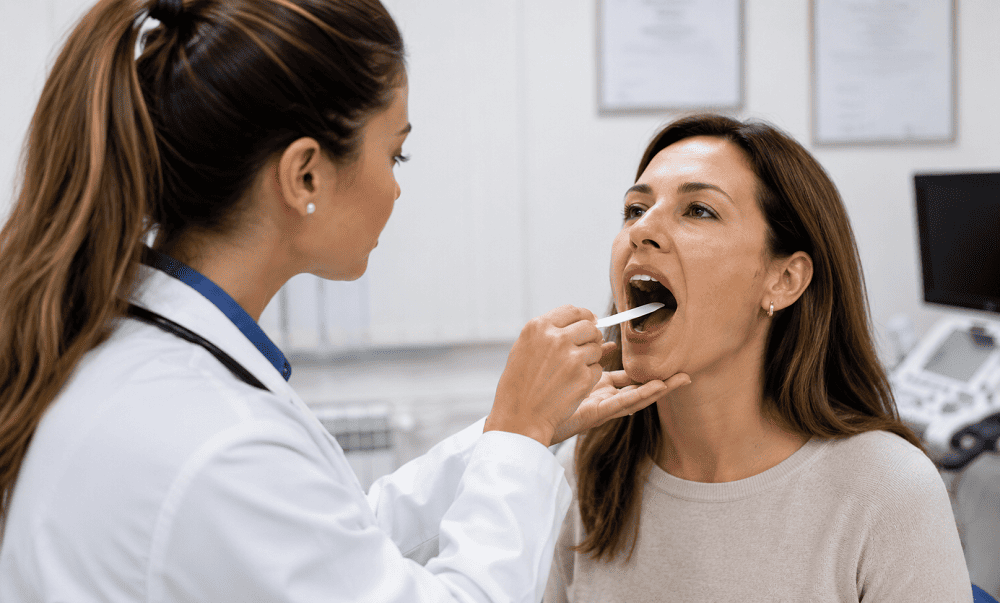
Oral cancer screenings check for any precancerous or cancerous conditions in the mouth. An oral cancer screening is completed with an ultraviolet light that allows your dentist to view issues that cannot be detected with the naked eye. Precancerous lesions identified under this light are much easier

Oral Cancer Screenings and Surgery

Oral cancer may not be as well known as other forms of cancer, but that doesn’t make it any less dangerous. Oral cancer screenings are vital to detect any precancerous or cancerous conditions in the mouth before they progress to an advanced stage of the disease. An oral cancer screening is a quick

Oral Diagnosis and Biopsies

An oral biopsy is a tissue sample gathered from an abnormality in the mouth and is sent to a lab to undergo further testing. The procedure would be required when a dentist cannot diagnose the problem by examination, X-rays, and symptoms alone. Common Oral Diseases There are a variety of oral diseases

Oral Piercings

Oral piercings can be found on the tongue, lip, cheek, or other soft tissue around the mouth. It’s important to consider potential complications stemming from oral piercings so that you can maintain your best oral health. Common problems associated with oral piercings: Swelling, bleeding, or infection Piercings