
Cleft Lip and Palate
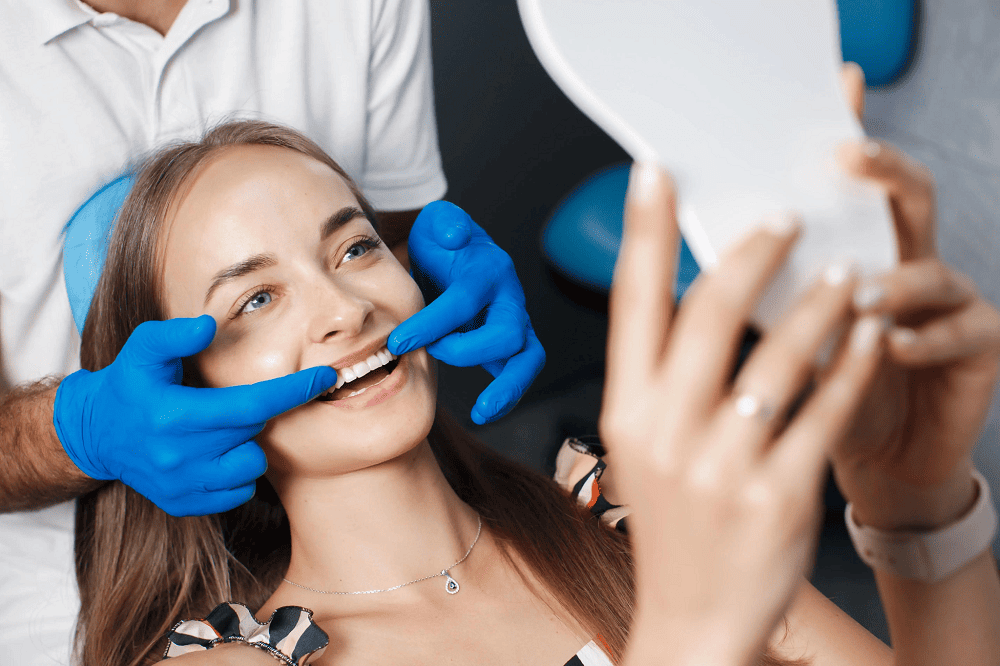
A cleft lip and cleft palate are common birth defects that occur in the very early stages of fetal development. A cleft lip is the separation of the two sides of your child’s upper lip, appearing as a narrow or wide opening that can extend to the roof of the mouth. A cleft palate is a split or opening
Clear Aligners for Teens
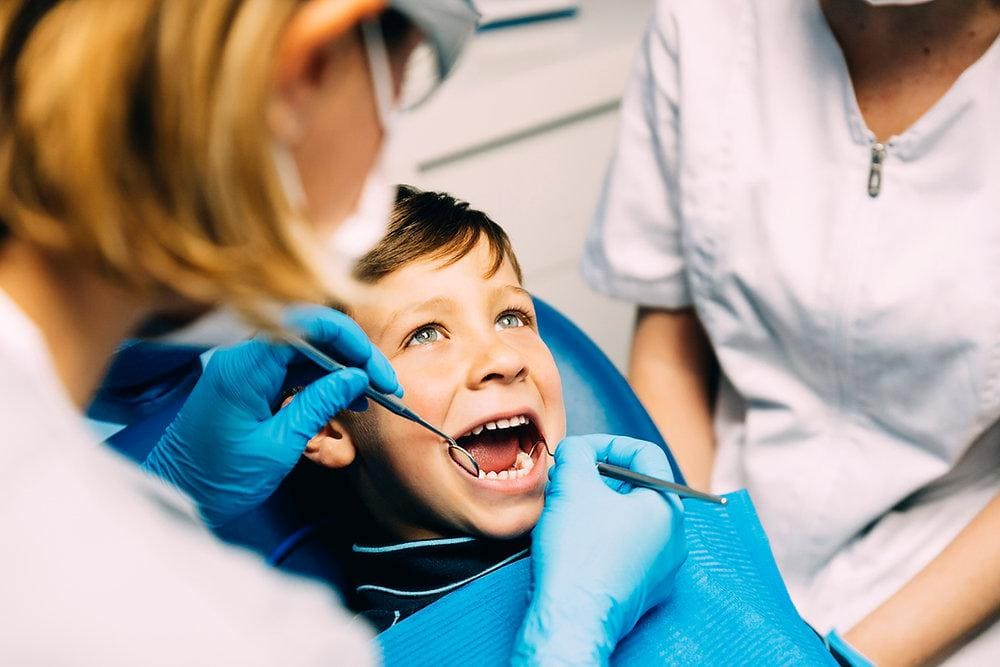
Clear aligners are a popular and effective way to straighten teeth – without the look or hassle of traditional braces. Just like traditional braces, clear aligners put a small amount of pressure on the teeth to move them into place. Unlike traditional braces, they are made of a clear and completely
Clear Aligners for Adults
Clear aligners are a popular alternative to metal braces, and are a great, discrete way to correct minor misalignment of the teeth. Just like traditional braces, clear aligners put a small amount of pressure on the teeth to move them into place. Unlike traditional braces, they are made of a clear and
Bruxism
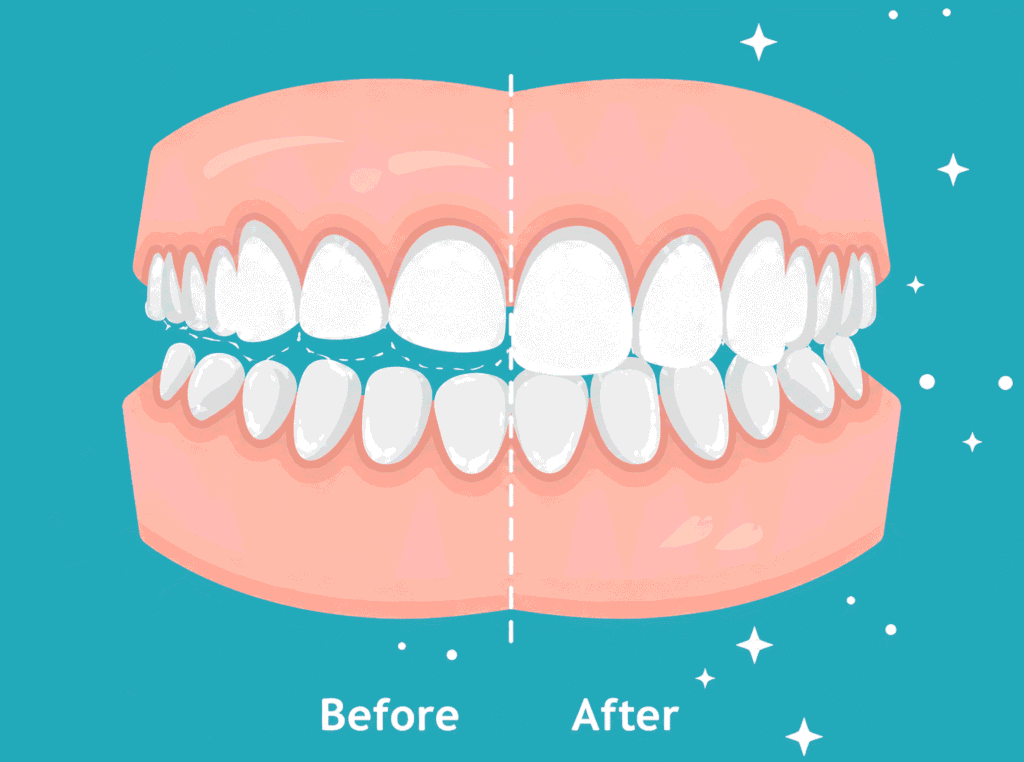
Bruxism is the medical term for excessive tooth grinding and/or jaw clenching. Because our jaw muscles are capable of producing hundreds of pounds of force, continuous grinding and clenching can cause significant damage to teeth and jaws without dental intervention. Unconscious grinding or clenching
Brushing and Flossing with Braces
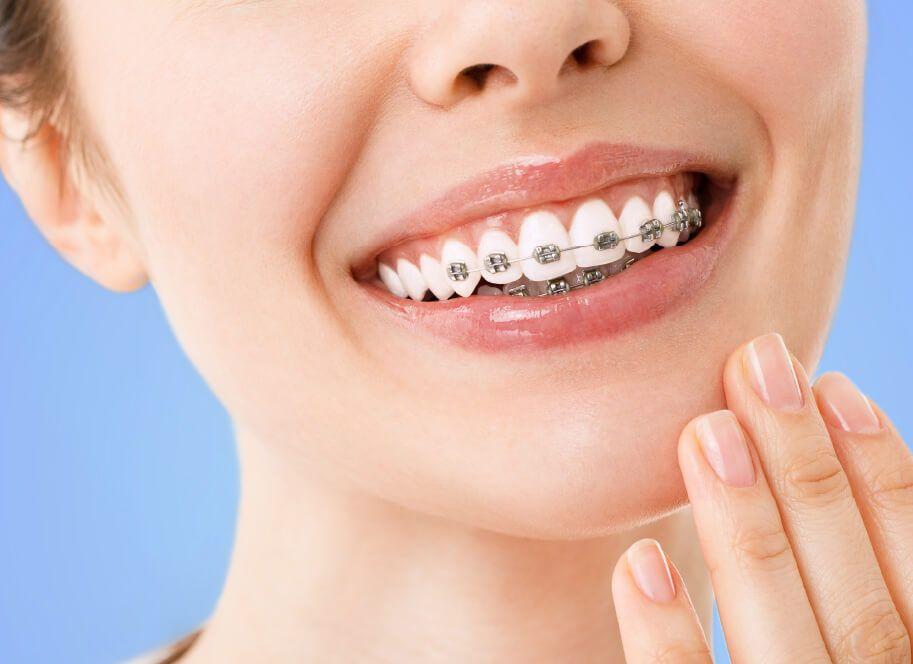
It’s always important to maintain great oral hygiene, but it’s especially important with braces, as food and plaque have more places to hide. You should brush and floss at least two times per day for at least two minutes each time. Make sure to cover all surfaces, including the front, back, side,
Broken Teeth
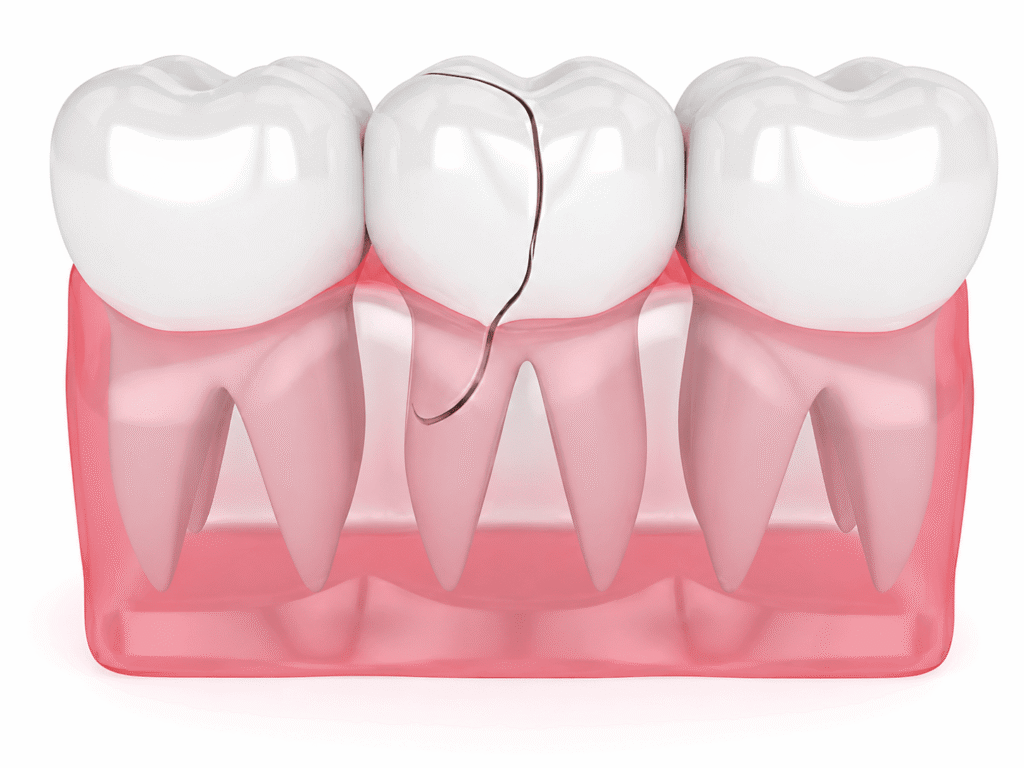
Even though enamel is the hardest substance in the body, teeth aren’t indestructible, and chipped, cracked, and broken teeth are among the most common dental injuries. Tooth fractures might result from accidents, trauma, tooth grinding, chewing hard objects and foods, or extensive decay. Tooth injuries
Bridges
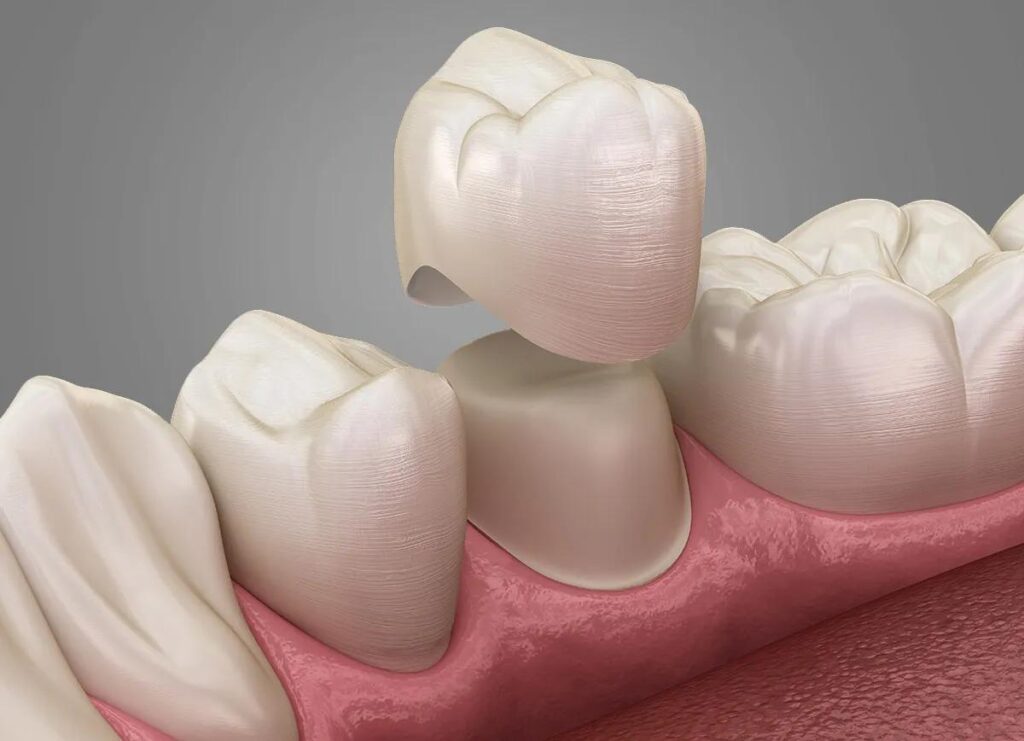
When you lose a tooth, it affects not just the appearance but also the function of your smile. It can be difficult to eat or speak naturally. Extra stress is put on your remaining teeth, you’re at greater risk for developing gum disease, your remaining teeth can shift out of position, causing bite
Bone Grafting
The alveolar ridges are thickened ridges of bone on the upper and lower jaws. Teeth fit into sockets in these ridges, where they are held securely in place by periodontal ligaments. If the alveolar bone loses volume and density, that secure attachment is compromised. Bone grafting is a common surgical
Bonding
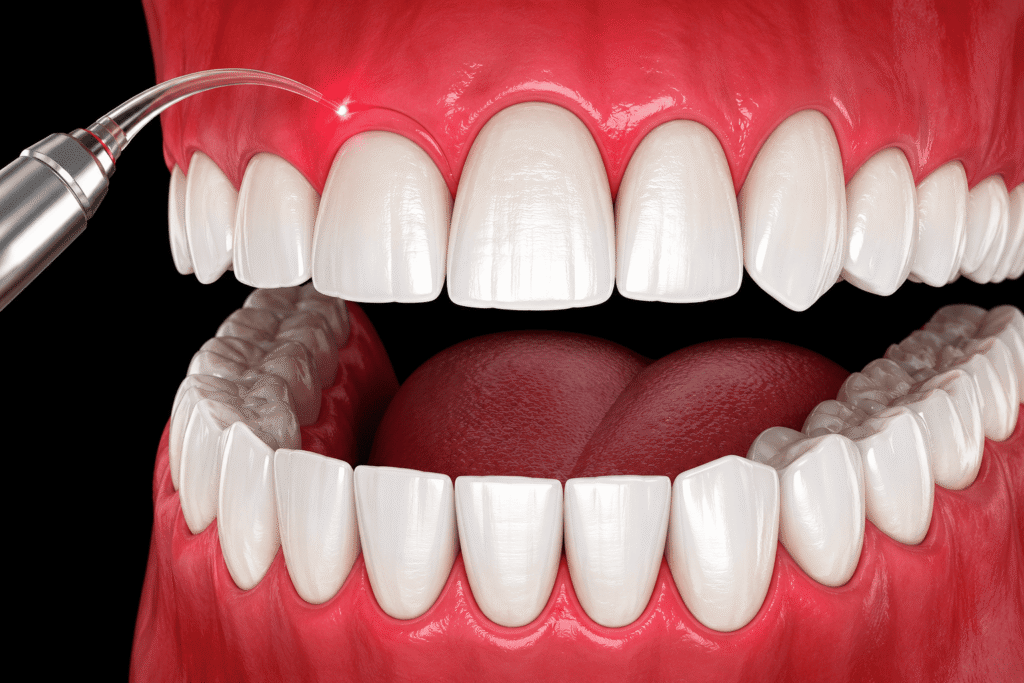
Dental bonding is a conservative cosmetic treatment that improves the appearance of chipped, discolored, or misshapen teeth using composite resin to repair and restore the tooth surface. Bonding can transform the appearance of a smile. The procedure is commonly used for: Repairing chips and minor cracks Covering
Blood Thinners and Oral Surgery
Blood thinners are a type of medicine that prevents your blood from clotting inside a blood vessel, which can lead to a heart attack or stroke. They can also keep blood clots from forming or getting larger. They are typically used to treat certain types of heart disease, heart defects, or other medical