
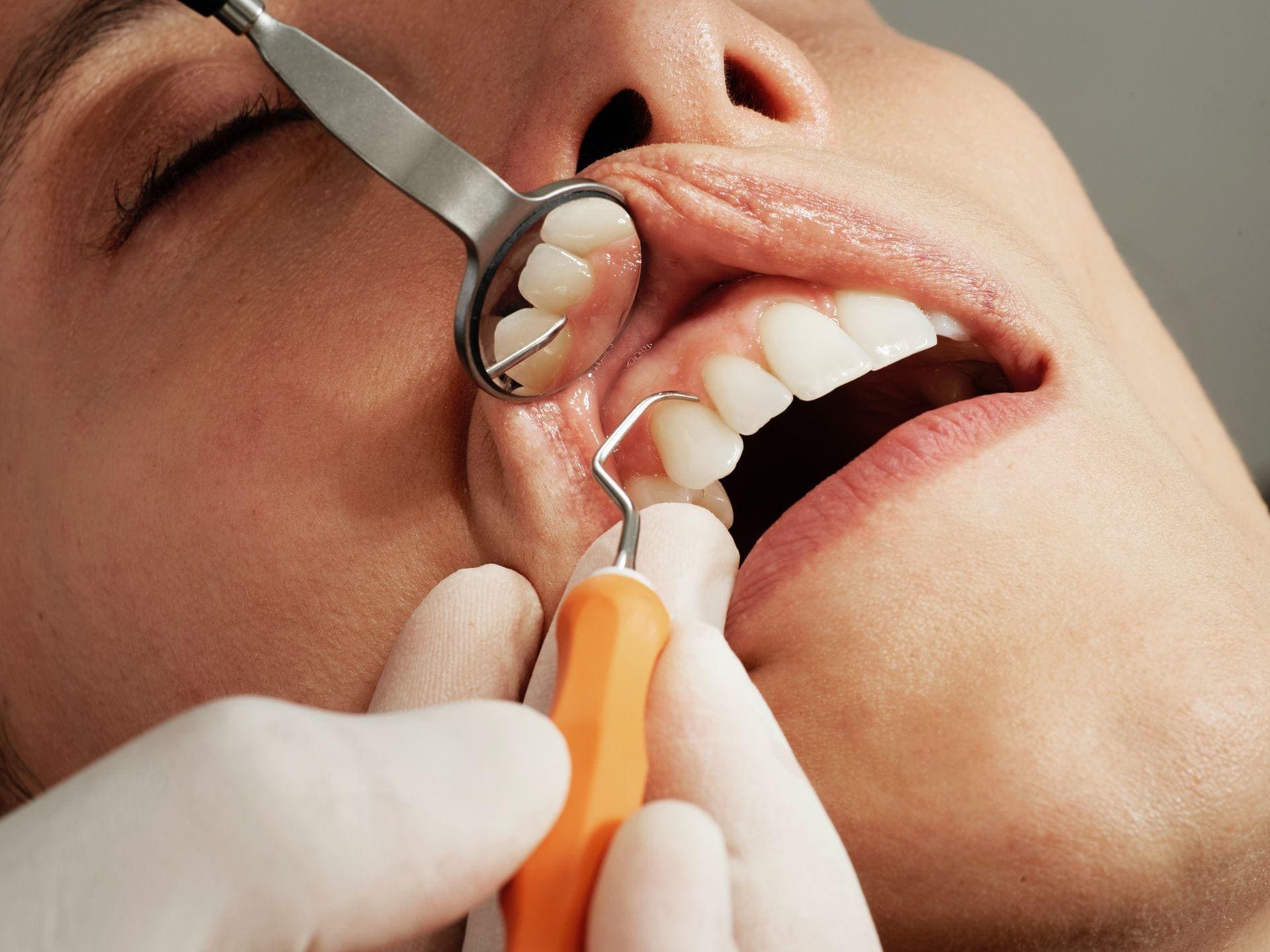
Gum Disease Treatment in Beverly, Chicago
Bleeding when you brush, puffy gums or bad breath that will not go away are often the first signs of gum disease. Caught early, it can be reversed. Left alone, the infection moves below the gumline and slowly destroys the bone that holds your teeth in place.
At More Smiles of Beverly, Dr. Ademola Adekola Jr. and our team measure your gum health, clean away the bacteria and tartar that brushing cannot reach, and build a simple plan to keep your gums firm, pink and healthy for the long run.
Stop the Infection Before It Reaches the Bone
Gum disease is one of the most common reasons adults lose teeth, and it is often painless until it is advanced. Treating it early keeps your care simple and your natural teeth in place.
Stops the Infection
Removing tartar and bacteria below the gumline halts the damage to gums and bone.
Comfortable Care
Deep cleanings are done with the area numbed, so you feel pressure, not pain.
Shrinks Gum Pockets
Clean, smooth roots help the gums tighten and reattach to your teeth.
Fresher Breath
Clearing out trapped bacteria often ends stubborn bad breath and bad taste.
Signs You May Have Gum Disease
Gum disease often starts quietly. Book an exam if you notice any of these:
- Gums that bleed when you brush or floss
- Red, swollen or tender gum tissue
- Bad breath or a bad taste that does not go away
- Gums pulling away from your teeth, making them look longer
- Loose or shifting teeth or a change in your bite
- Pus or sores around the gumline
Good to know: the early stage, called gingivitis, can be fully reversed with a professional cleaning and better home care. Once it becomes periodontitis, the damage cannot be undone, but it can be stopped and managed.
How Gum Disease Is Treated
Your treatment depends on how far the gum disease has progressed. Here is what a typical deep cleaning looks like.
Gum Exam and X-Rays
We measure the pockets around each tooth and check X-rays for bone loss.
Numbing
A numbing gel and local anesthetic keep the treated area comfortable.
Scaling
Plaque and hardened tartar are removed from above and below the gumline.
Root Planing
Tooth roots are smoothed so bacteria have a harder time sticking and gums can reattach.
Follow-Up and Maintenance
We recheck your gums and set up regular maintenance cleanings to keep them healthy.
Healthy Gums Are the Foundation of a Healthy Smile.
Gentle, thorough gum care close to home in Beverly.
Book an AppointmentWhich Gum Treatment Do You Need?
Gum disease moves in stages. Your exam shows where you are today, and Dr. Adekola will recommend the least invasive care that gets your gums healthy again.
Professional Cleaning
- ForGingivitis
- GoalReverse inflammation
- NumbingUsually not needed
- VisitsOne
Scaling and Root Planing
- ForPockets 4 mm or deeper
- GoalClean below the gumline
- NumbingLocal anesthetic
- VisitsOne to two
Periodontal Maintenance
- ForAfter a deep cleaning
- GoalKeep bacteria in check
- ScheduleEvery 3 to 4 months
- IncludesPocket checks
Advanced Care
- ForBone or gum loss
- OptionsGum or bone grafting
- GoalRebuild support
- PlanDiscussed at your exam
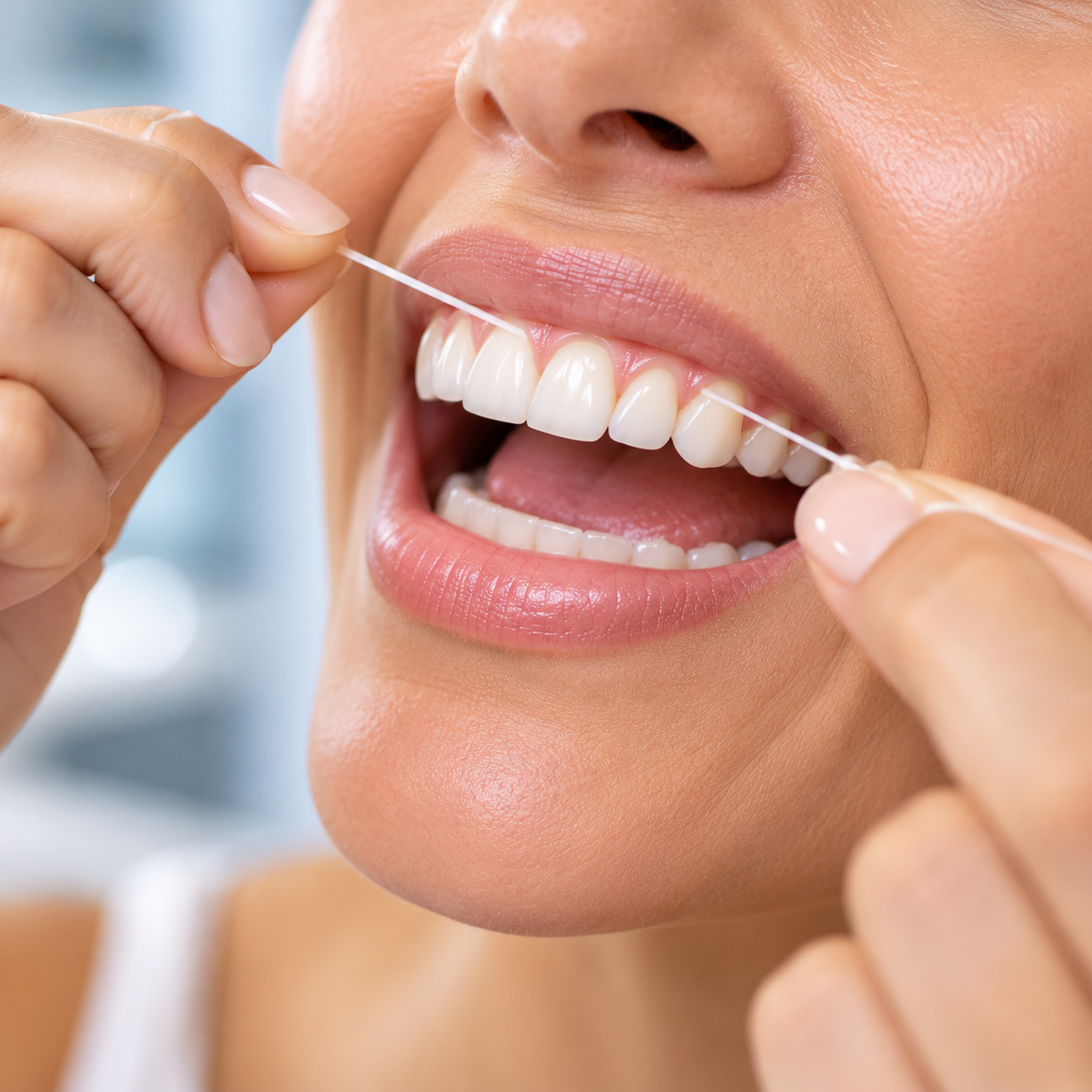
Caring for Your Gums After Treatment
Your gums may feel tender for a few days. These habits help them heal and stay healthy:
Eat soft foods first
Skip hot, spicy, crunchy and acidic foods for the first day or two.
Rinse with warm salt water
Gentle rinses soothe tender gums and help keep the area clean.
Brush gently, floss daily
Use a soft-bristled brush angled toward the gumline. Do not skip cleaning.
Keep your maintenance visits
Cleanings every 3 to 4 months keep gum disease from coming back.

Dr. Ademola J. Adekola Jr., DDS
A graduate of the University of Illinois at Chicago College of Dentistry with advanced training in bone grafting, Dr. Adekola treats gum disease early to protect the bone and teeth you have.
Gum Disease Treatment FAQ
Can gum disease be cured?
Early gum disease, called gingivitis, can be completely reversed with a professional cleaning and good daily brushing and flossing. Advanced gum disease, called periodontitis, cannot be reversed, but treatment can stop it from getting worse and protect your teeth.
What is scaling and root planing?
Scaling and root planing is a non-surgical deep cleaning. We remove plaque and hardened tartar from above and below the gumline, then smooth the tooth roots so the gums can heal and reattach. It is usually done in one or two visits.
Is a deep cleaning painful?
The treated area is numbed first, so you should feel pressure or vibration rather than pain. Afterward, your gums may feel tender and your teeth a little sensitive for a few days. Over-the-counter pain relievers and soft foods help.
How long does it take to heal after a deep cleaning?
Most people feel back to normal within a week. Gums usually stop bleeding and look healthier within one to two weeks, while full healing and reattachment take about four to six weeks.
Will my gums grow back after treatment?
Gum tissue that was lost to gum disease does not grow back on its own. Treatment stops further loss and helps the remaining gums tighten around your teeth. If recession is significant, gum grafting can restore coverage.
How often will I need cleanings after gum disease?
Most patients with a history of gum disease do best with periodontal maintenance cleanings every three to four months instead of twice a year. These visits keep bacteria under control and let us catch any changes early.
Is gum disease linked to other health problems?
Yes. Research links untreated gum disease to higher risk of heart disease, stroke and trouble controlling diabetes. Keeping your gums healthy is good for your whole body, not just your smile.
How much does gum disease treatment cost?
Every treatment plan is quoted after an exam, because the right treatment depends on how many areas need care and how advanced the gum disease is. We accept all PPO plans and offer payment plans. Contact us for a quote.
Gum Disease Treatment Near You in the Southwest Side and Suburbs
Our office at 2407 W 104th St sits in the heart of Beverly, an easy drive for families across Chicago's Southwest Side and the nearby south suburbs.
Bleeding Gums? Let's Take a Look.
Mon to Fri, 9:00 a.m. to 4:30 p.m. at 2407 W 104th St, Chicago, IL 60655